

Smart tracking is becoming a practical value-added feature for consumer products, travel accessories, wallets, bags, pet accessories, and connected hardware. For brand owners, solution providers, and hardware manufacturers, the key question is no longer whether tracking is useful, but how to develop reliable, low-power, production-ready Apple Find My or Google Find Hub related tracking products within a controlled project timeline.
Shanghai Xingqiyuan Technology Co., Ltd. StellarriseTech provides Apple Find My and Google Find Hub related smart hardware solution support for enterprise customers. Our work covers product definition, hardware design, BLE Low Energy architecture, firmware adaptation, antenna tuning, prototype validation, certification preparation, and production support.
Dual Ecosystem Tracker Solutions
From Apple Find My to Google Find Hub, StellarriseTech helps brands build broader smart tracking product lines.
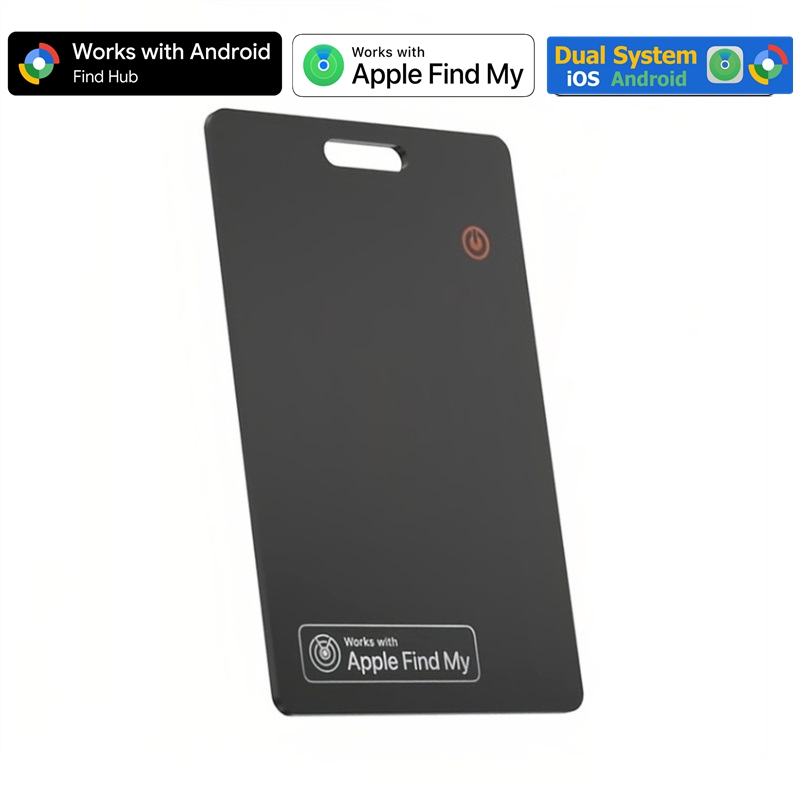
In addition to Apple Find My related tracker programs, StellarriseTech can support Google Find Hub related Android ecosystem tracker projects, including feasibility review, hardware development, BLE firmware adaptation, low-power optimization, validation, factory test planning, and mass production support.
For products built around the familiar Find My experience, including smart tags, wallet cards, luggage trackers, pet accessories, and embedded modules.
For Android ecosystem item-finding products related to Google Find Hub, with support across product planning, firmware strategy, testing, and production launch.
Note: ecosystem access, compatibility, certification, and launch requirements should follow the relevant platform rules and project requirements. StellarriseTech provides engineering, validation, and production support without making unverifiable guarantees such as guaranteed approval or official designation.
Market Demand for Smart Tracking Devices
Anti-loss products are moving from simple accessories to integrated product features across both iOS and Android user ecosystems. A smart tag, card tracker, luggage tracker, or embedded tracking module can help users locate personal items, trigger sound alerts, and manage lost-item scenarios through the Find My experience.
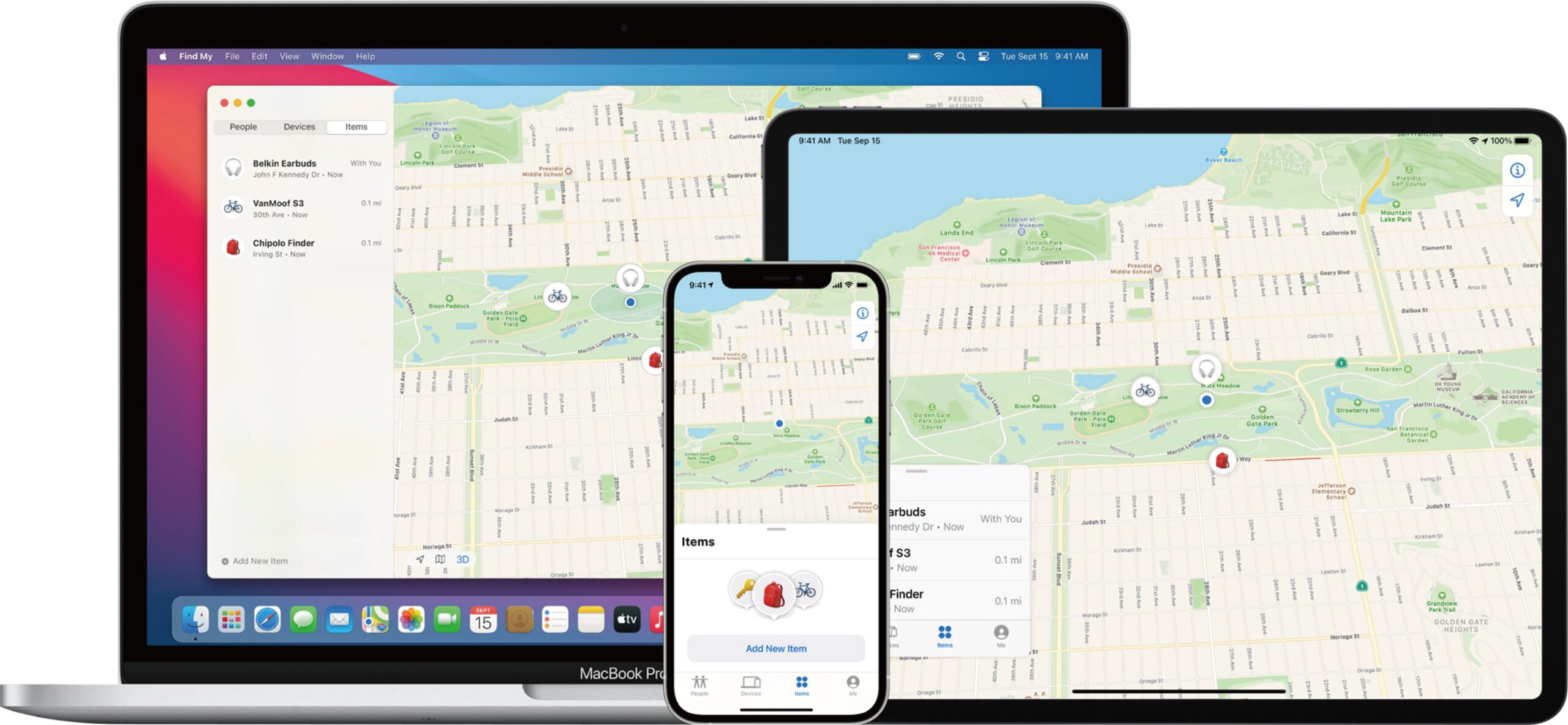
For enterprise customers, Apple Find My and Google Find Hub matter because they help tracking products align with familiar item-finding experiences in the ecosystems users already rely on. Instead of requiring a separate positioning device with continuous network access, a compatible tracker can use BLE Low Energy broadcasting and the broader device ecosystem to support item location updates or related finding experiences. This makes the solution suitable for compact, low-power, long-life products.
Why Apple Find My Matters
Apple Find My and Google Find Hub related products should be planned around privacy-aware item location, user control, and platform-specific operating requirements. A qualified product design needs to consider pairing, encrypted identifiers, operating states, sound playback, lost mode, unwanted tracking alerts, serial number access, physical disablement, and factory reset behavior.
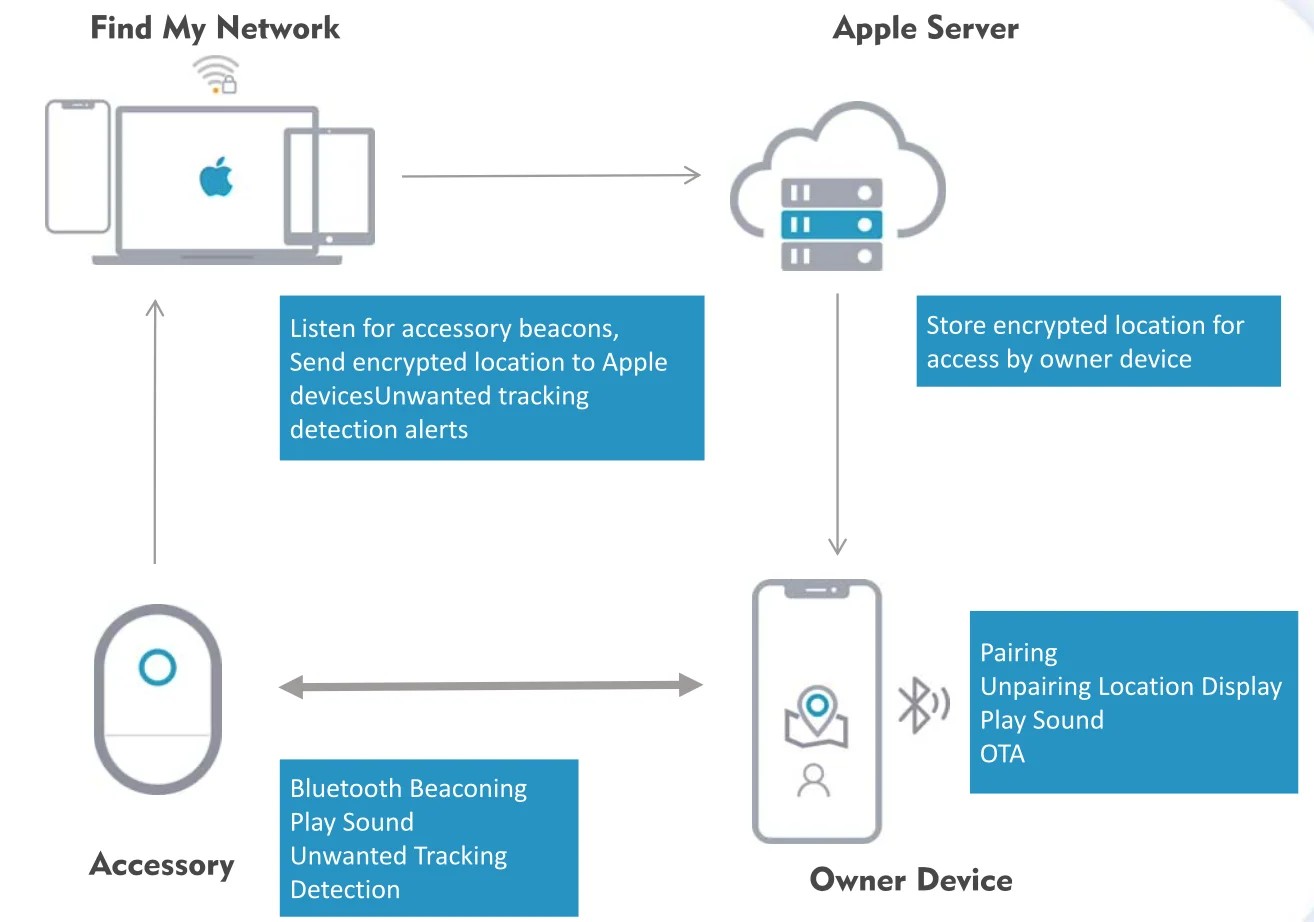
This means product development requires more than selecting a BLE component. The complete design must balance power consumption, RF performance, antenna placement, firmware behavior, battery strategy, mechanical structure, and production testing. For OEM and ODM customers, these details directly affect product reliability, user experience, and time to market.
StellarriseTech Find My Solution Capabilities
StellarriseTech supports customers from concept evaluation to mass production. At the early stage, we review the target product form factor, battery life requirement, enclosure material, antenna space, sound output, user interaction, target cost, and production plan.
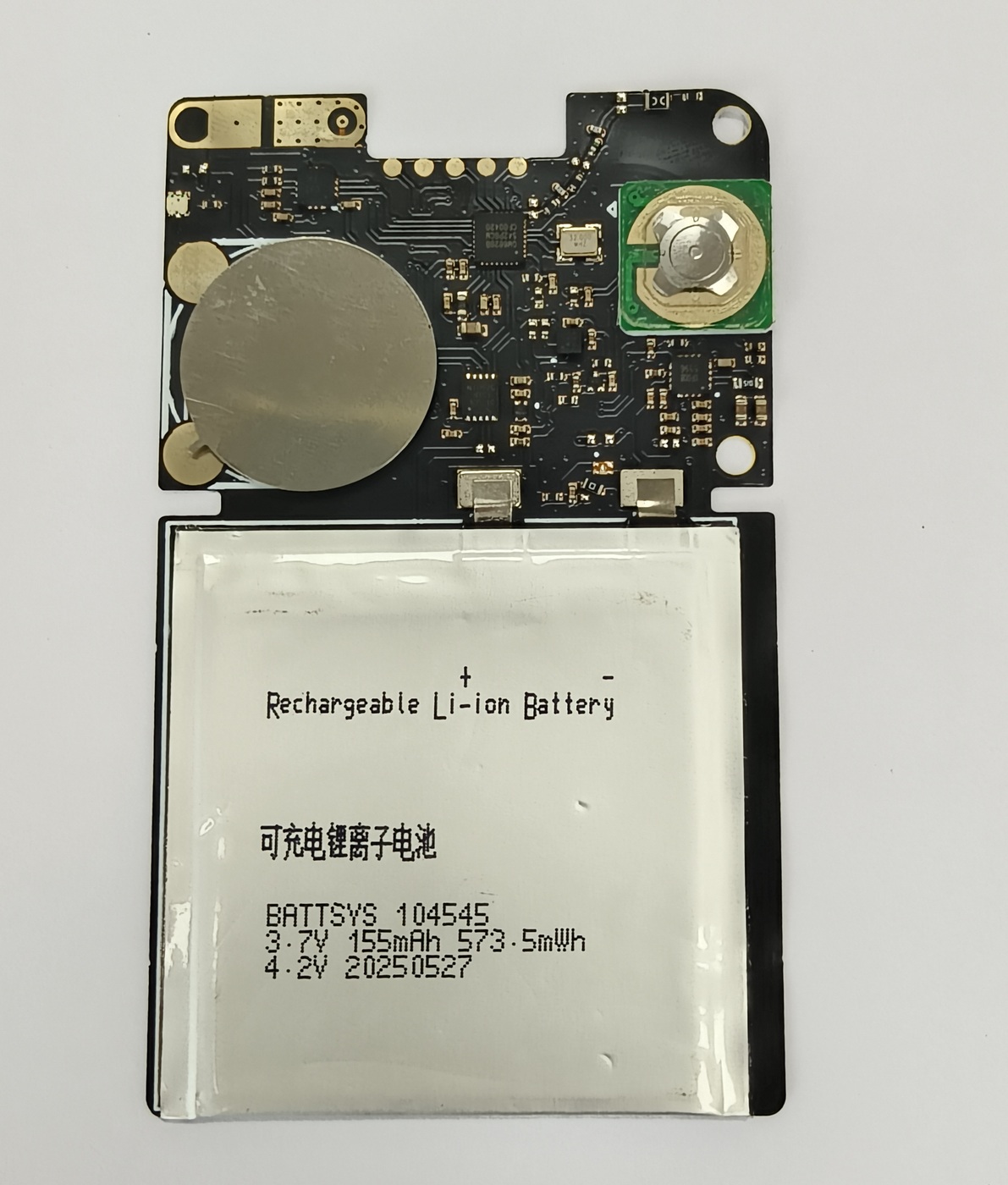
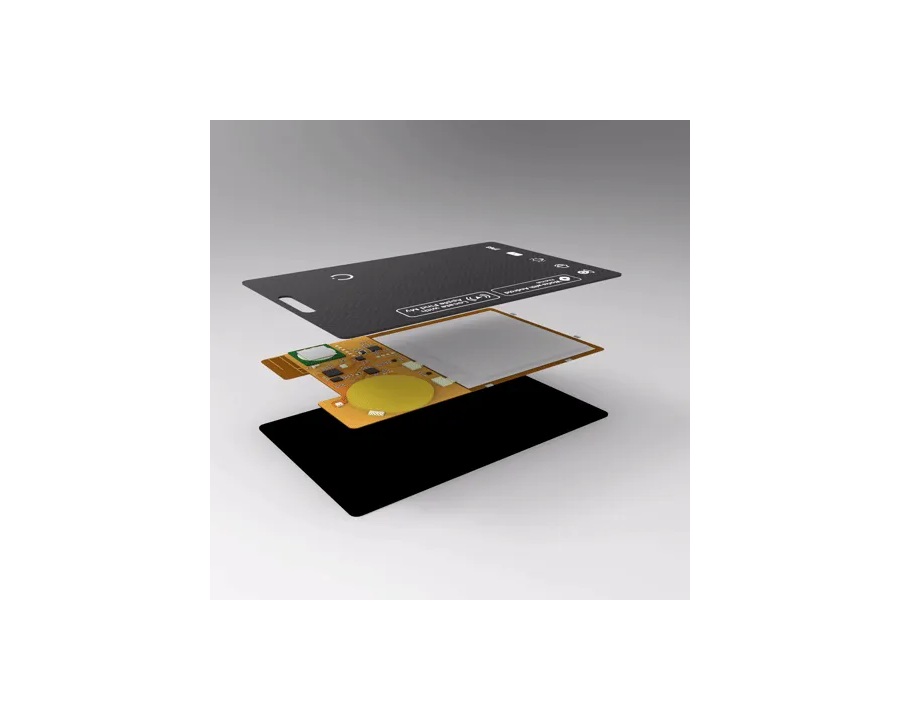
On the hardware side, our solution can include BLE control, power management, antenna matching, buzzer design, button input, LED indication, battery detection, motion sensing, and production test interfaces. For card-type, pendant-type, compact tag, luggage-integrated, or embedded consumer product designs, we pay close attention to RF layout, metal shielding, battery selection, acoustic opening, and assembly consistency.
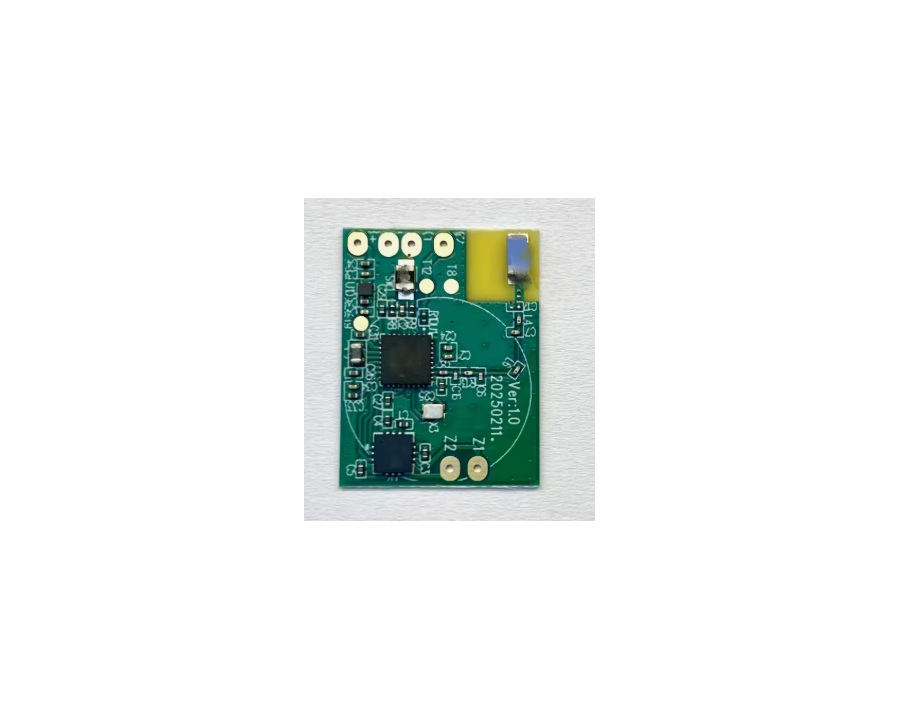
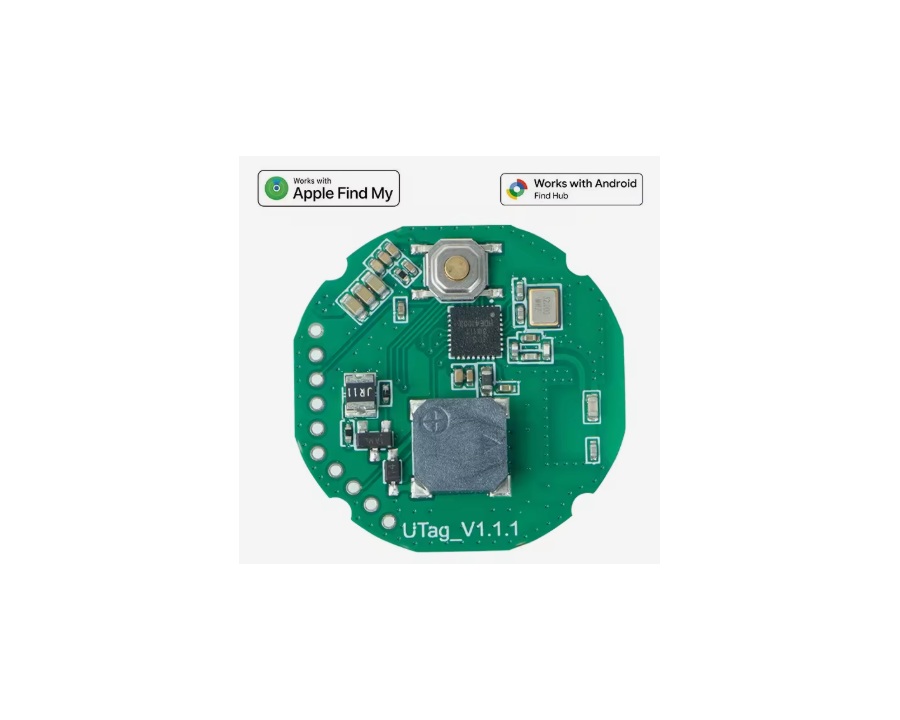
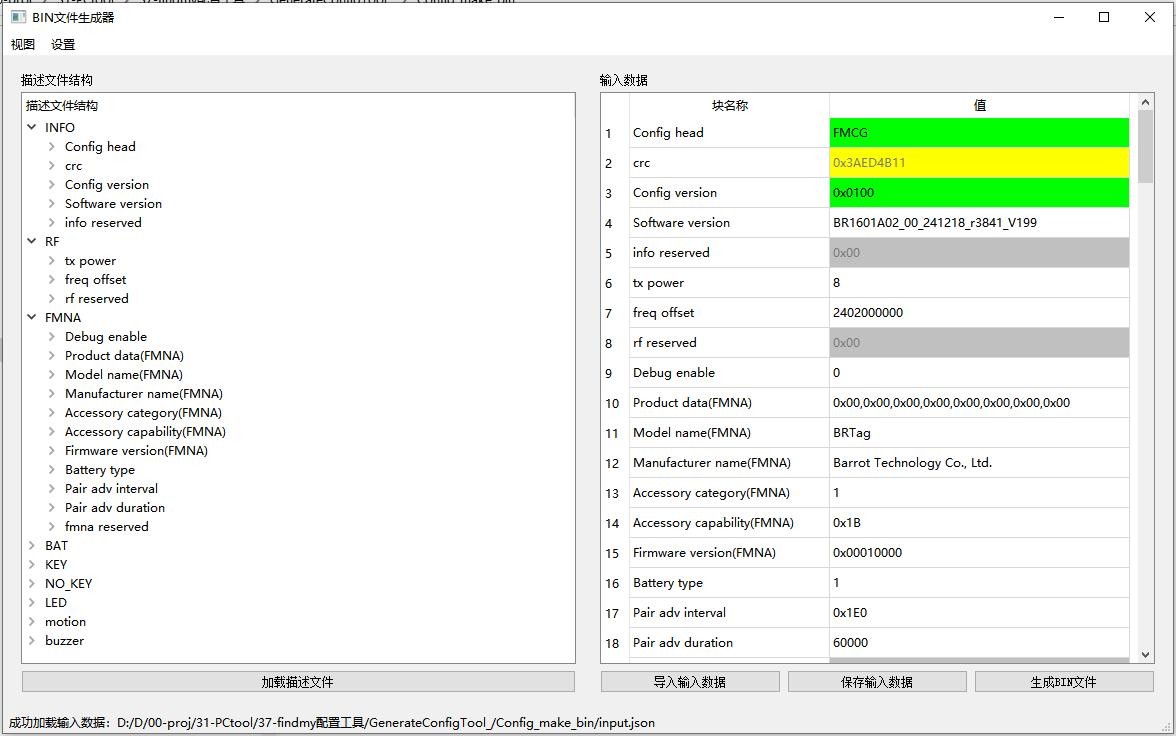
On the firmware side, the solution focuses on pairing flow, BLE advertising states, low-power sleep, button logic, sound control, battery strategy, status indication, factory reset, Find My disablement, test mode, and firmware upgrade support. Project-level customization can be provided for button behavior, sound patterns, indicator logic, power profiles, and production configuration parameters.
Low Power Design and Validation
Low power consumption is one of the most important engineering targets for Find My anti-loss trackers. The product needs a balanced power strategy across advertising, connection, sleep, wake-up, sound playback, and state transitions. Optimizing only one state is not enough; the real user journey must be considered.
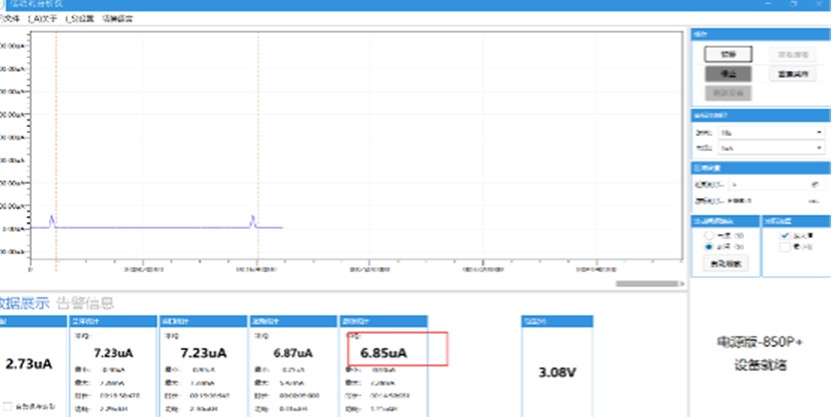
StellarriseTech evaluates battery capacity, advertising interval, button activity, buzzer operation, sensor strategy, and firmware state machine design during project development. Prototype validation can include sleep current, connection current, advertising current, wake-up response, sound playback consumption, and long-term stability checks.
From Prototype to Mass Production
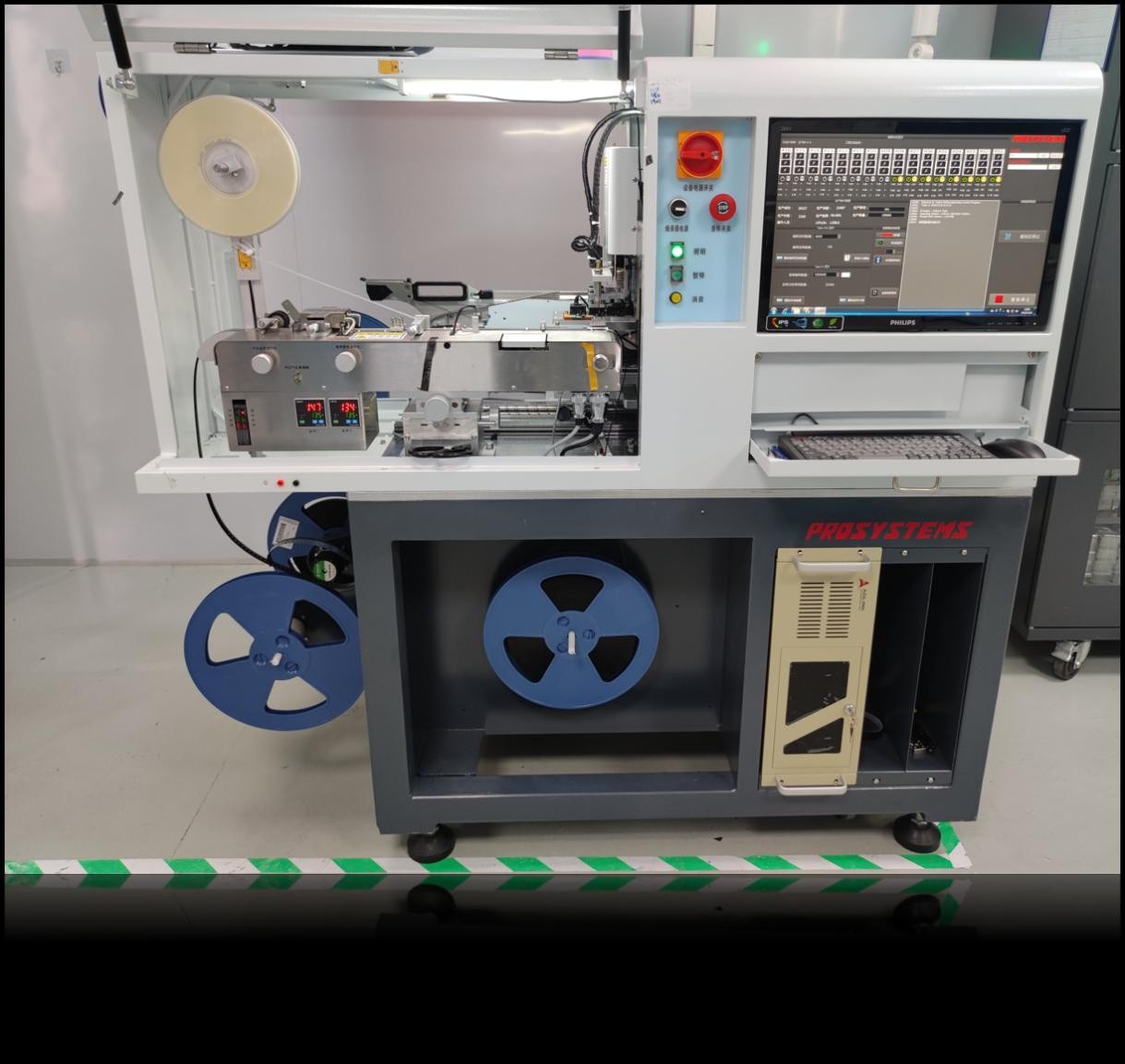
For manufacturing support, StellarriseTech can help customers build firmware programming, configuration writing, serial number management, RF testing, current measurement, button testing, buzzer testing, sensor testing, final inspection, and pre-shipment validation processes.
R&D Validation and Engineering Testing
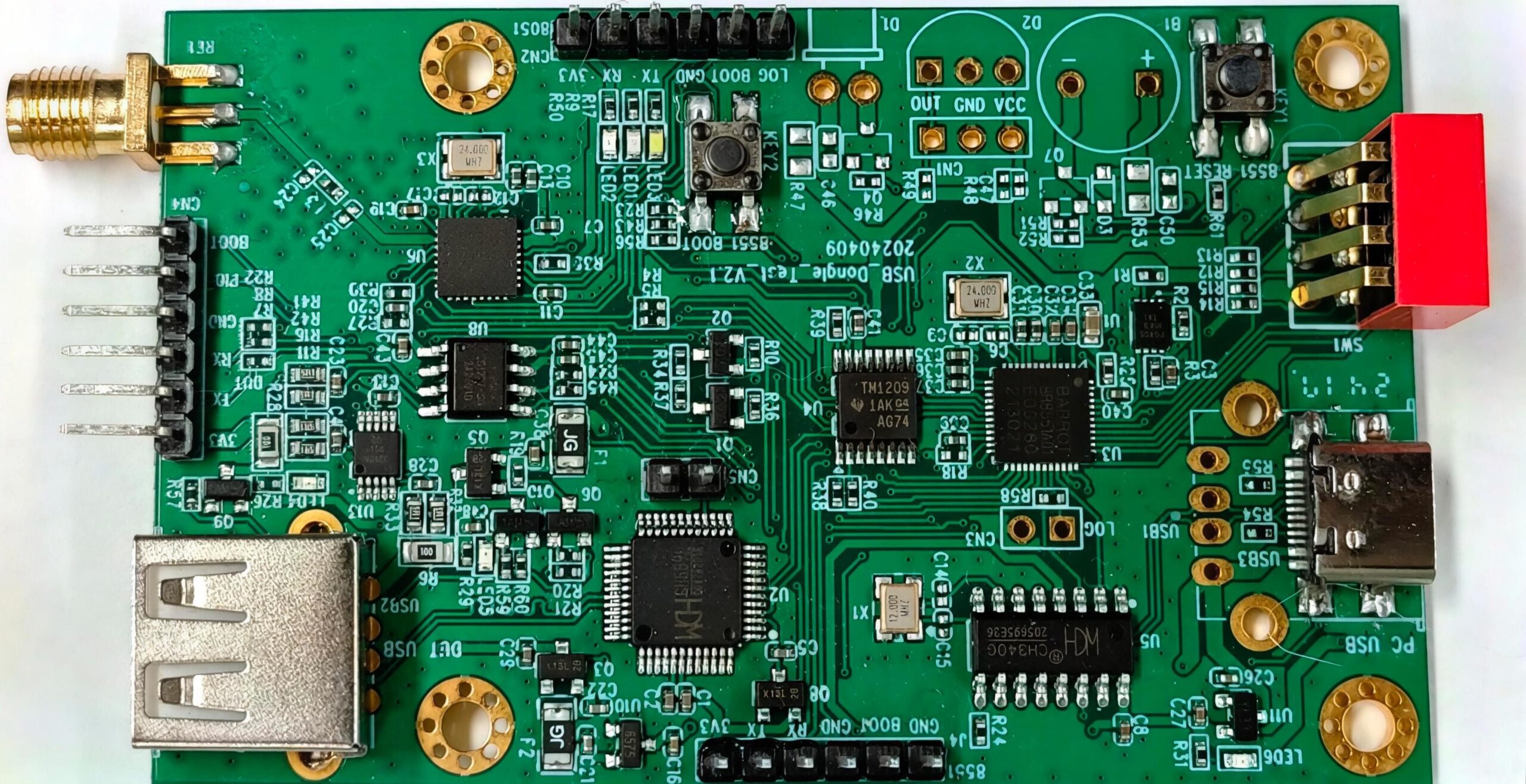
For a Find My anti-loss tracker, engineering validation should go beyond whether the device can be discovered or whether a prototype can trigger a sound alert. A production-oriented test plan needs to cover hardware bring-up, BLE advertising states, pairing and unpairing behavior, low-battery strategy, button logic, buzzer output, LED indication, exception recovery, long-term operation, and RF performance across different enclosure designs.
During prototype development, StellarriseTech builds a test checklist that links circuit debugging, firmware state-machine validation, current profiling, key function retesting, mechanical assembly review, and user interaction checks. For customized enclosure designs, different battery capacities, alternative button structures, or acoustic changes, early engineering validation helps identify risks before pilot production.
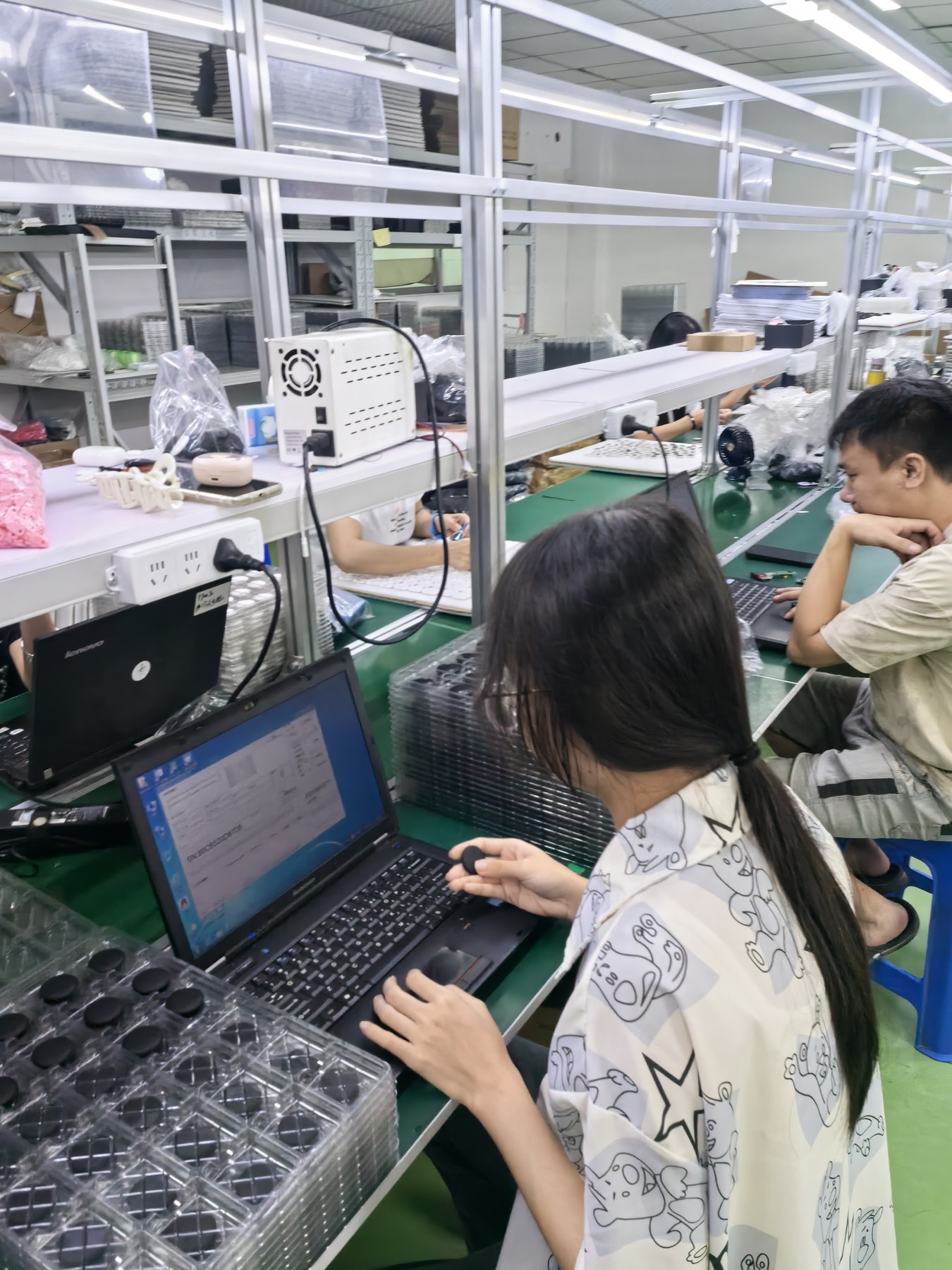
Firmware validation is especially important. The device should maintain consistent behavior across pre-pairing, pairing, paired, separated, sound playback, low-battery, factory reset, and test modes. With test fixtures and configuration tools, StellarriseTech can verify advertising parameters, button triggers, buzzer control, battery detection, sleep and wake-up behavior, serial number writing, and production test modes in a structured way.
Factory QC and Production Test Workflow
For enterprise customers, the transition from engineering prototype to mass production depends on standardized testing, traceable results, and consistent batch quality. StellarriseTech can help plan a QC workflow from PCBA to finished product, including incoming material inspection, SMT process checks, PCBA visual inspection, firmware programming, configuration writing, functional testing, current measurement, RF and communication checks, buzzer and button tests, charge and discharge validation, assembly inspection, aging sampling, finished product inspection, and pre-shipment review.
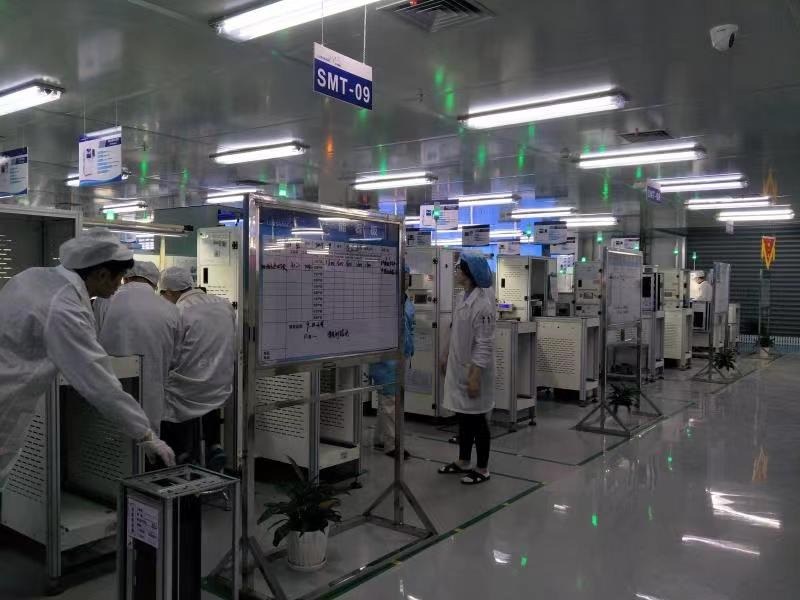
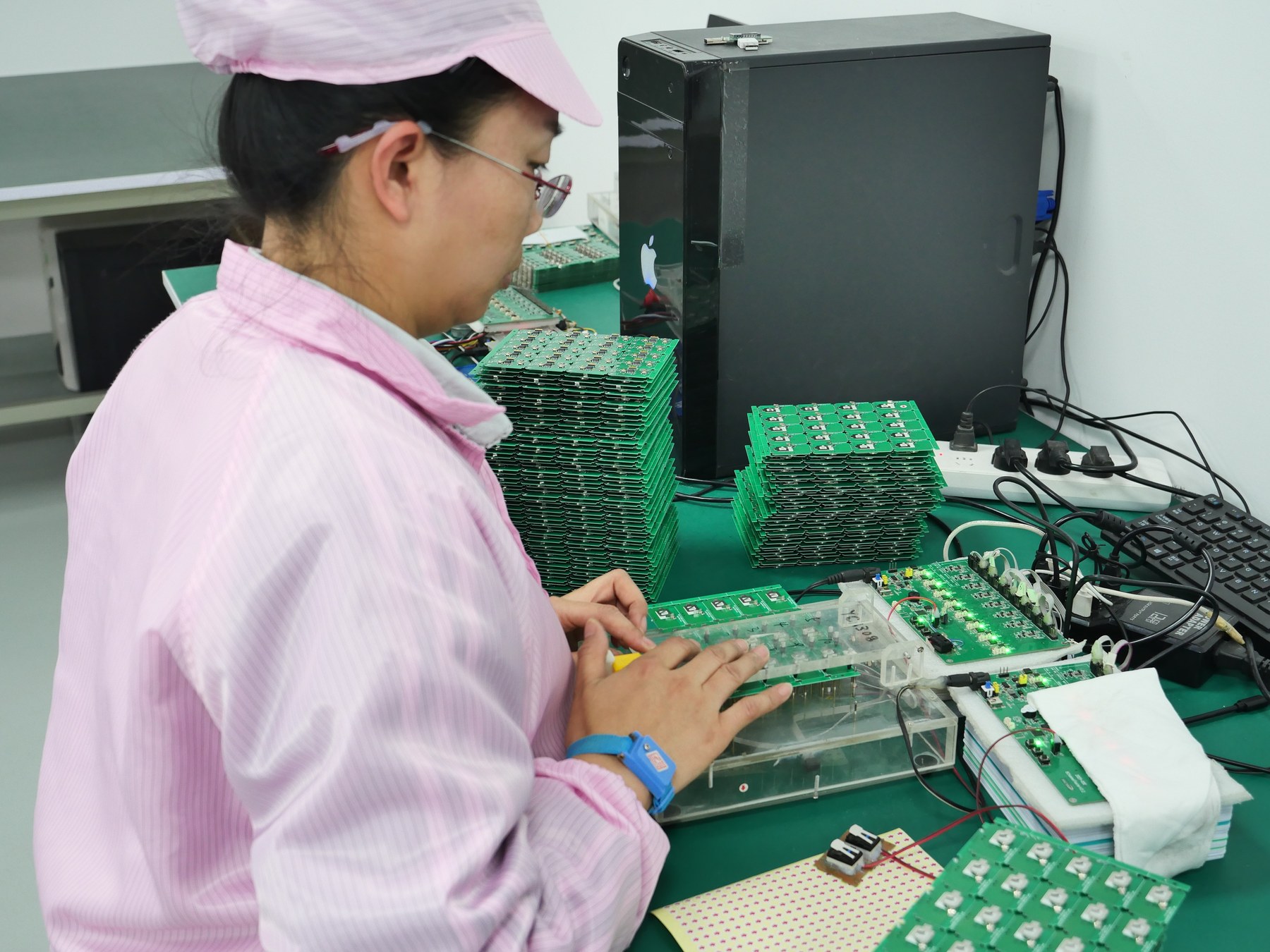
In production planning, test items should be divided into mandatory checks and batch sampling checks. Firmware programming, serial number writing, basic functions, button response, buzzer output, battery status, and standby current are typically key control points. RF performance, long-duration aging, mechanical drop checks, and packaging reliability can be arranged according to the product positioning, target market, and order requirements. This approach helps balance quality risk, line efficiency, and manufacturing cost.
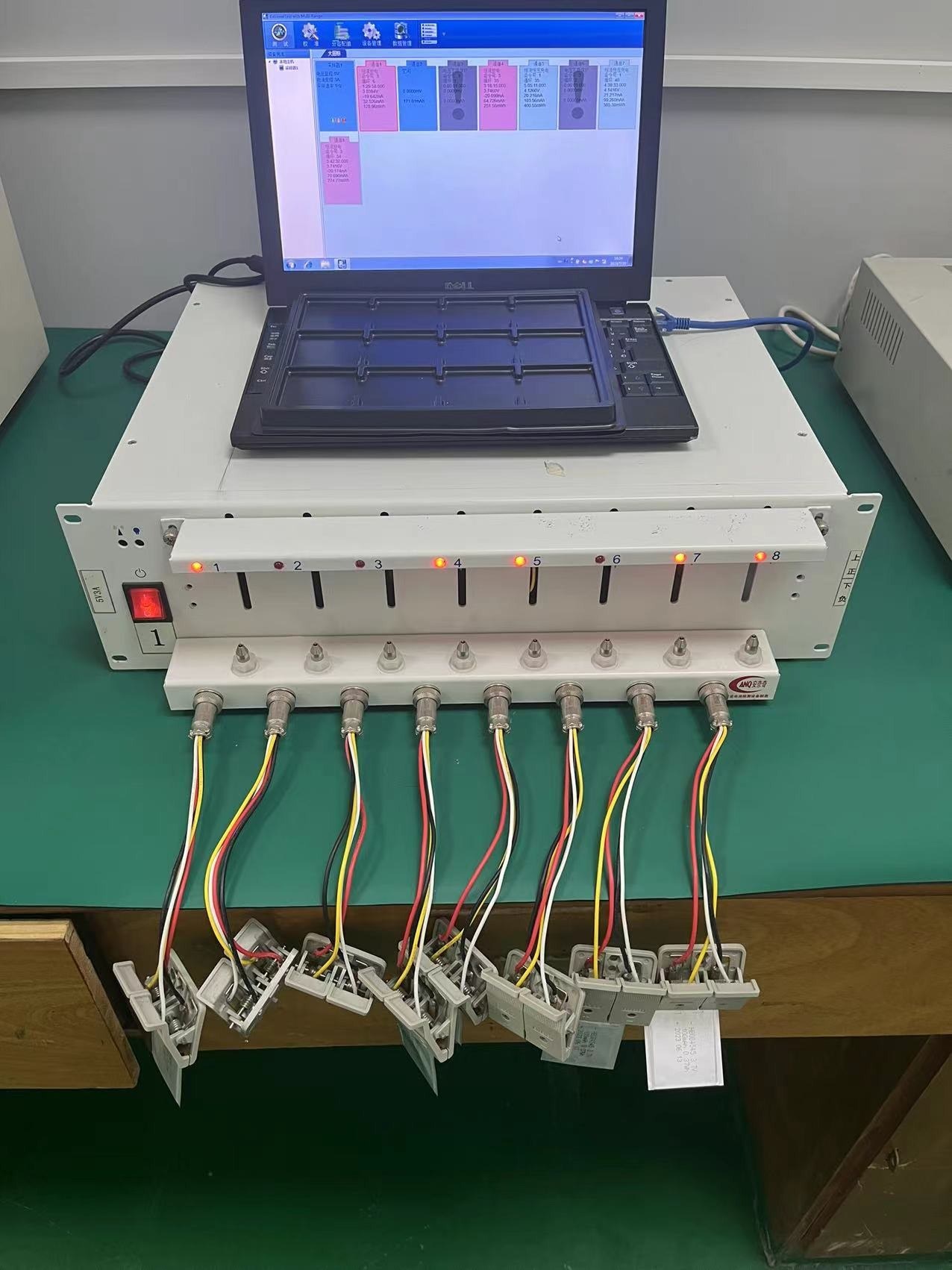
At the finished product stage, appearance, mechanical fit, button feel, acoustic opening, package accessories, and document consistency also need to be reviewed. For card-type, pendant-type, button-type, or embedded tracker products, mechanical tolerance and assembly method can directly affect antenna performance, buzzer volume, and battery contact reliability. A complete QC process should therefore cover both electronic performance and mechanical assembly.
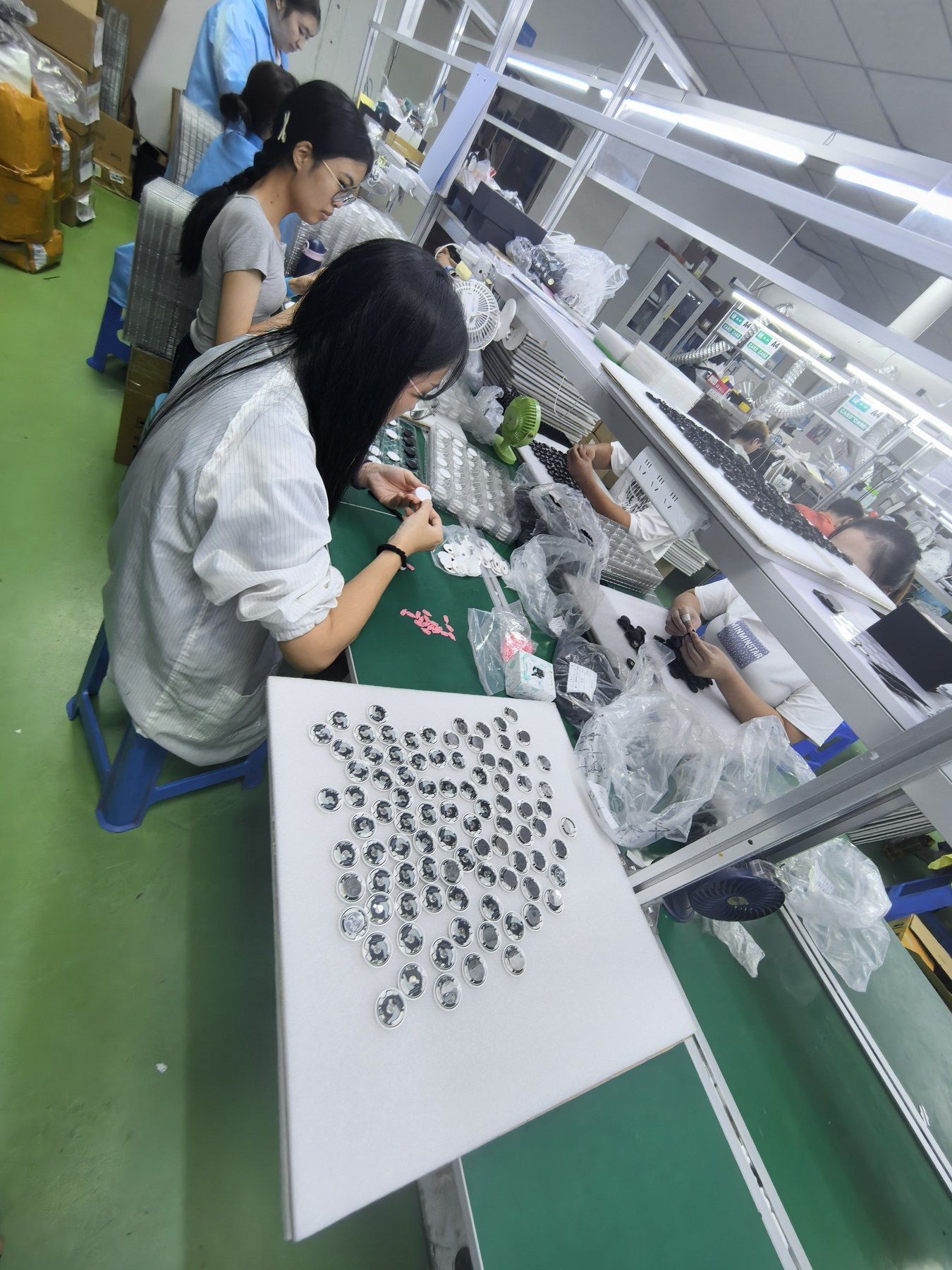
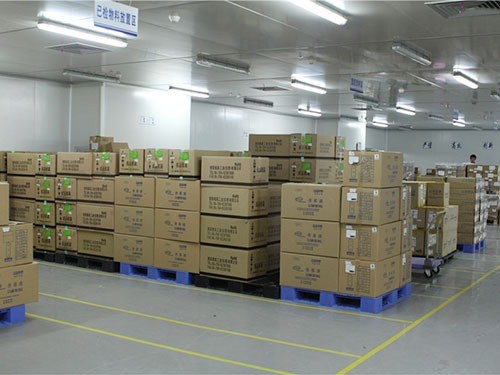
By moving R&D testing, engineering validation, pilot-run issue tracking, and factory QC standards earlier in the project, StellarriseTech helps customers turn a working sample into a repeatable, testable, and deliverable production process. This is especially valuable for private-label products, cross-border sales projects, and OEM/ODM programs with clear quality and delivery expectations.
Typical Applications
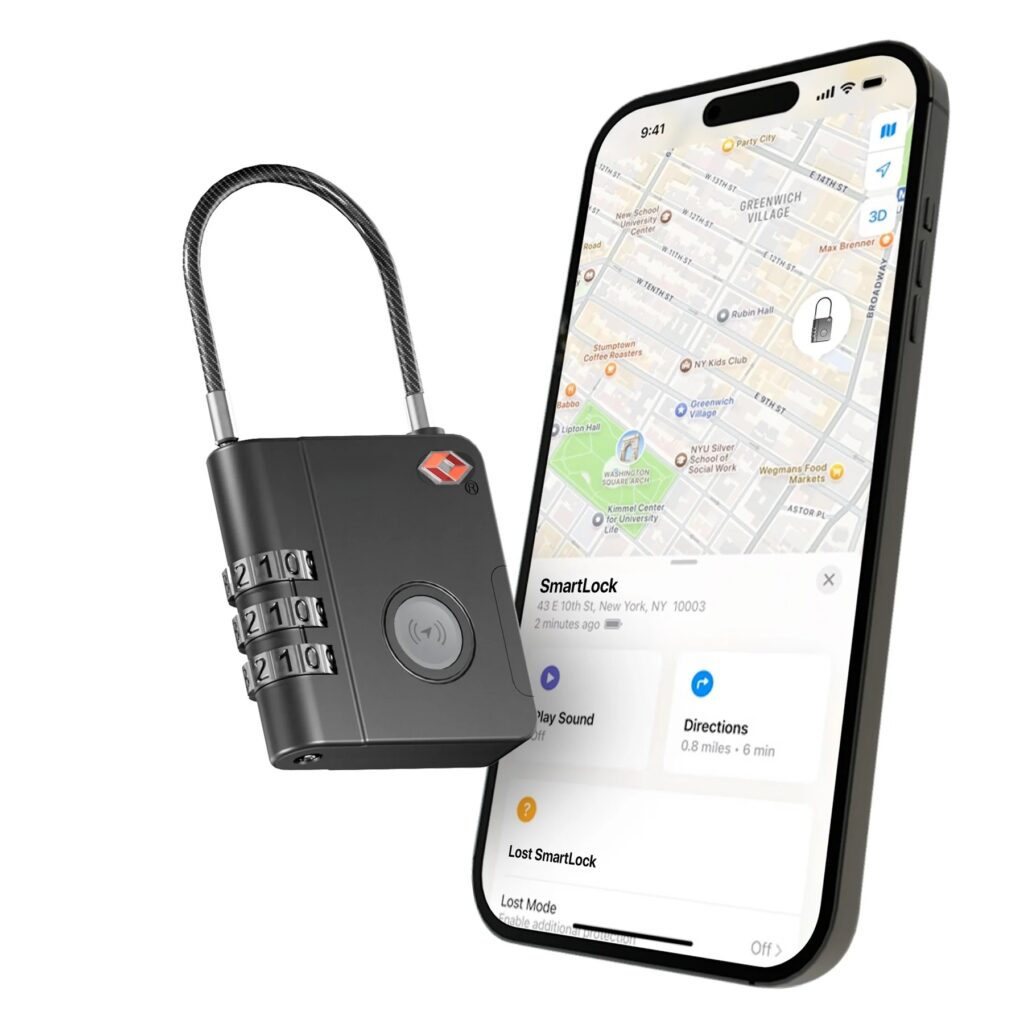
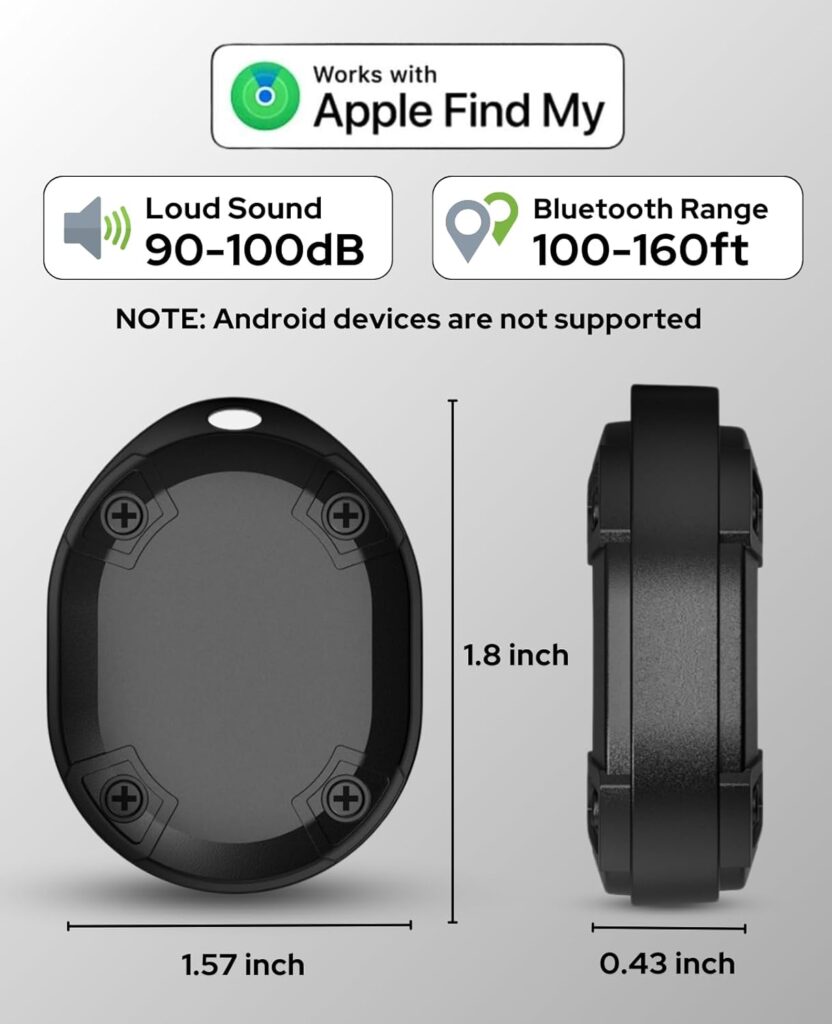
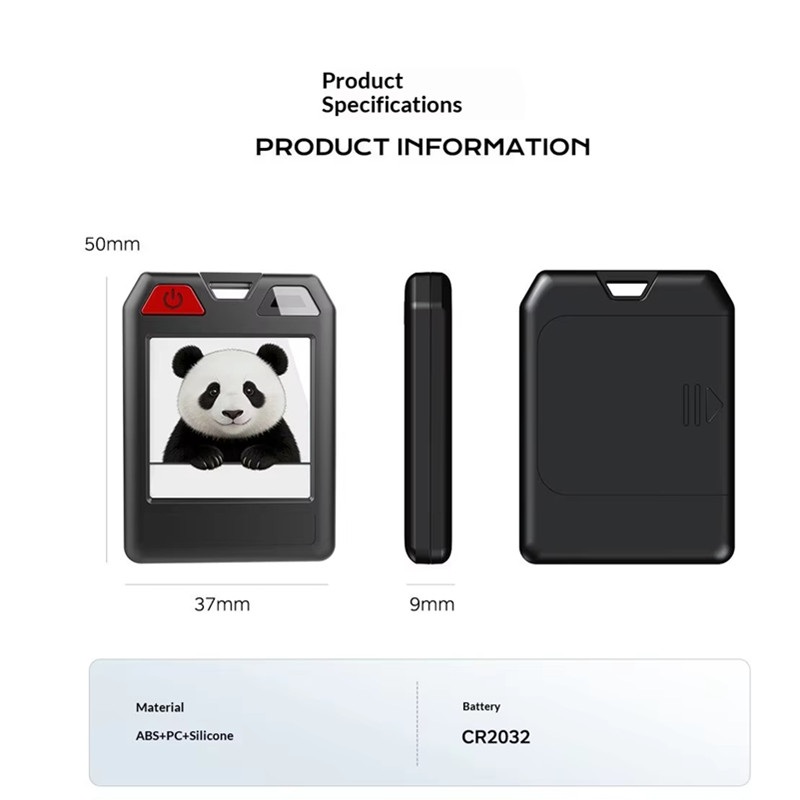
Apple Find My related anti-loss solutions can be used in key finders, wallet cards, luggage trackers, pet accessories, personal item tags, consumer electronics accessories, outdoor gear, and business asset labels.
For consumer brands, Find My capability can make the product easier to explain and more valuable to users. For hardware manufacturers and solution providers, a mature BLE and production testing workflow can reduce development uncertainty. For customers building private-label products, StellarriseTech can provide project recommendations based on target market, enclosure design, battery life, packaging plan, and cost range.
Finished Product Examples
The following images show selected product forms from the StellarriseTech product page and project materials. Final production designs can be customized according to brand positioning, enclosure design, structural space, battery capacity, button interaction, packaging plan, and target market requirements.
Value for OEM/ODM and Brand Customers
Enterprise customers usually care about more than a working prototype. They need stable production, clear certification preparation, cost control, customization options, and reliable delivery. StellarriseTech brings hardware, firmware, RF, structure, testing, and production support into one coordinated development process.
We can support requirement review, solution definition, hardware design, firmware adaptation, prototype testing, certification preparation, pilot production, and mass production introduction. For customers with existing product platforms, we can also evaluate embedded integration so Find My capability becomes part of the product experience instead of an external add-on.
Call to Action
An Apple Find My anti-loss tracker is not just a small BLE accessory. It is a complete product engineering project involving user experience, low-power design, security behavior, mechanical integration, RF performance, and production consistency.
Shanghai Xingqiyuan Technology Co., Ltd. StellarriseTech welcomes brand owners, solution providers, hardware manufacturers, and OEM/ODM customers to discuss Apple Find My anti-loss trackers, smart tags, luggage trackers, pet accessories, and embedded tracking product development. We can help evaluate feasibility, develop samples, and move qualified projects toward production.