


Connected product engineering and manufacturing
Cold-Press Card Solutions
StellarriseTech supports thin connected product programs from stack-up definition and electronics integration through cold pressing, functional inspection, pilot validation, and production release.
Product definition Cold-press integration Validation and release
Product portfolio
Connected card, tag, label, and badge formats
Start with the physical format and user environment, then define the electronics stack, power strategy, wireless behavior, surface finish, and project-specific validation plan. These categories describe configurable solution directions, not a claim that every feature is available in one standard product. Final construction, dimensions, functions, materials, and performance are confirmed through the individual project specification and validation process.
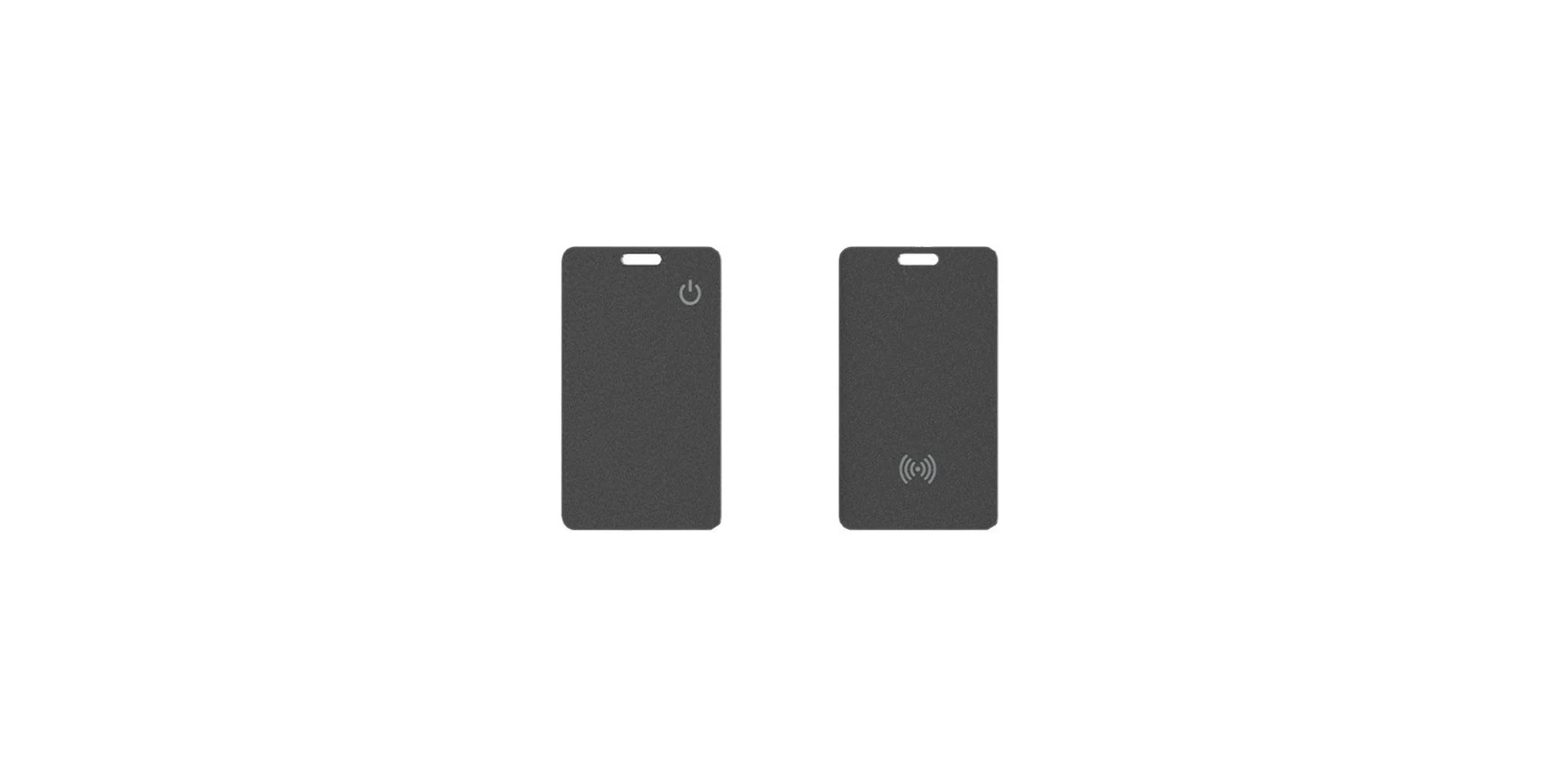
Card format
Item-finding tracker cards
Thin tracker card projects for wallets, cardholders, and other space-constrained use cases, developed around the approved radio, battery, antenna, controls, and enclosure stack.
Discuss a tracker card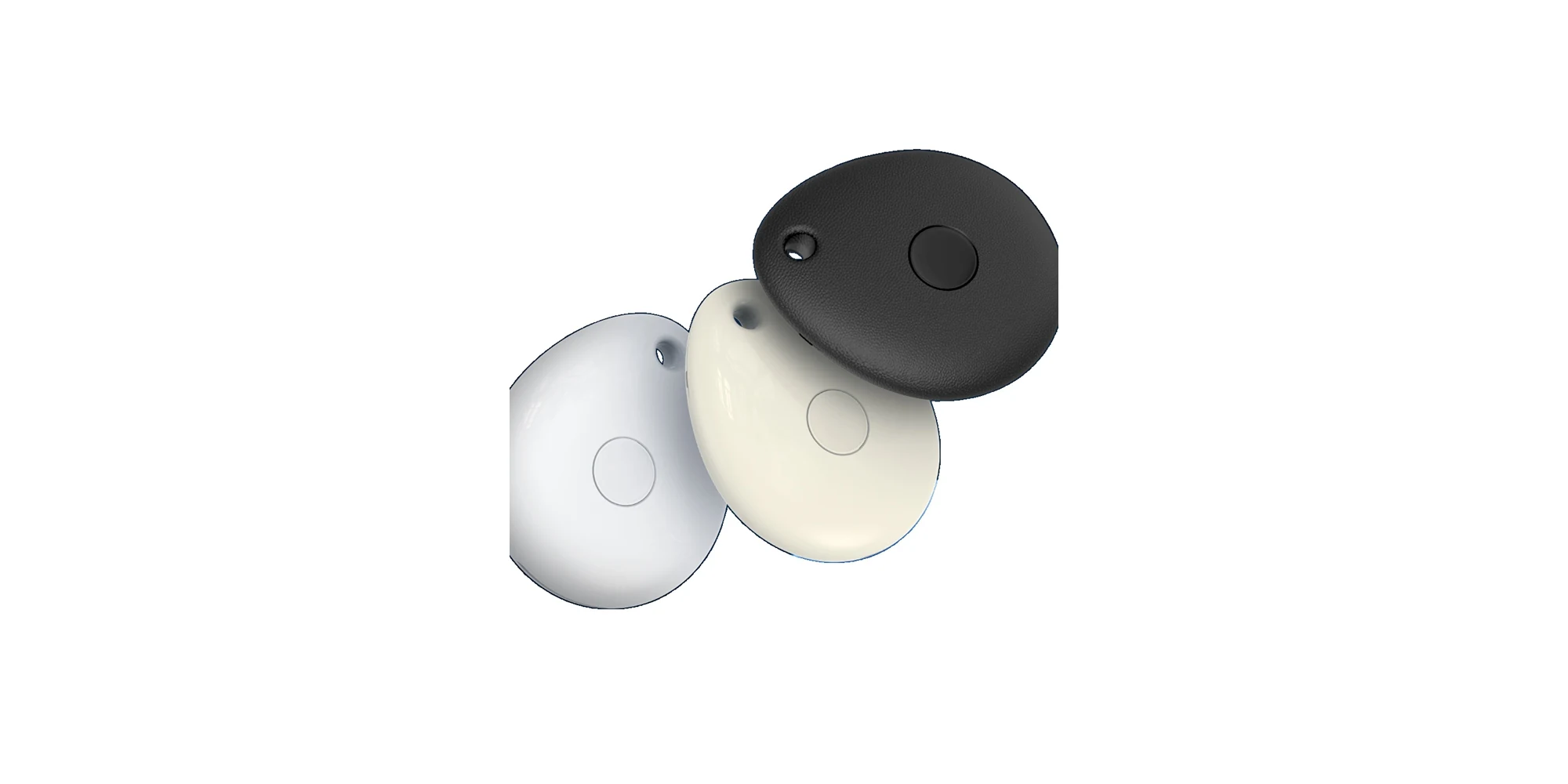
Tag format
Item-finding tags
Compact tag concepts with enclosure, attachment, serviceability, acoustic, and power decisions matched to the target item and usage pattern.
Discuss a tag project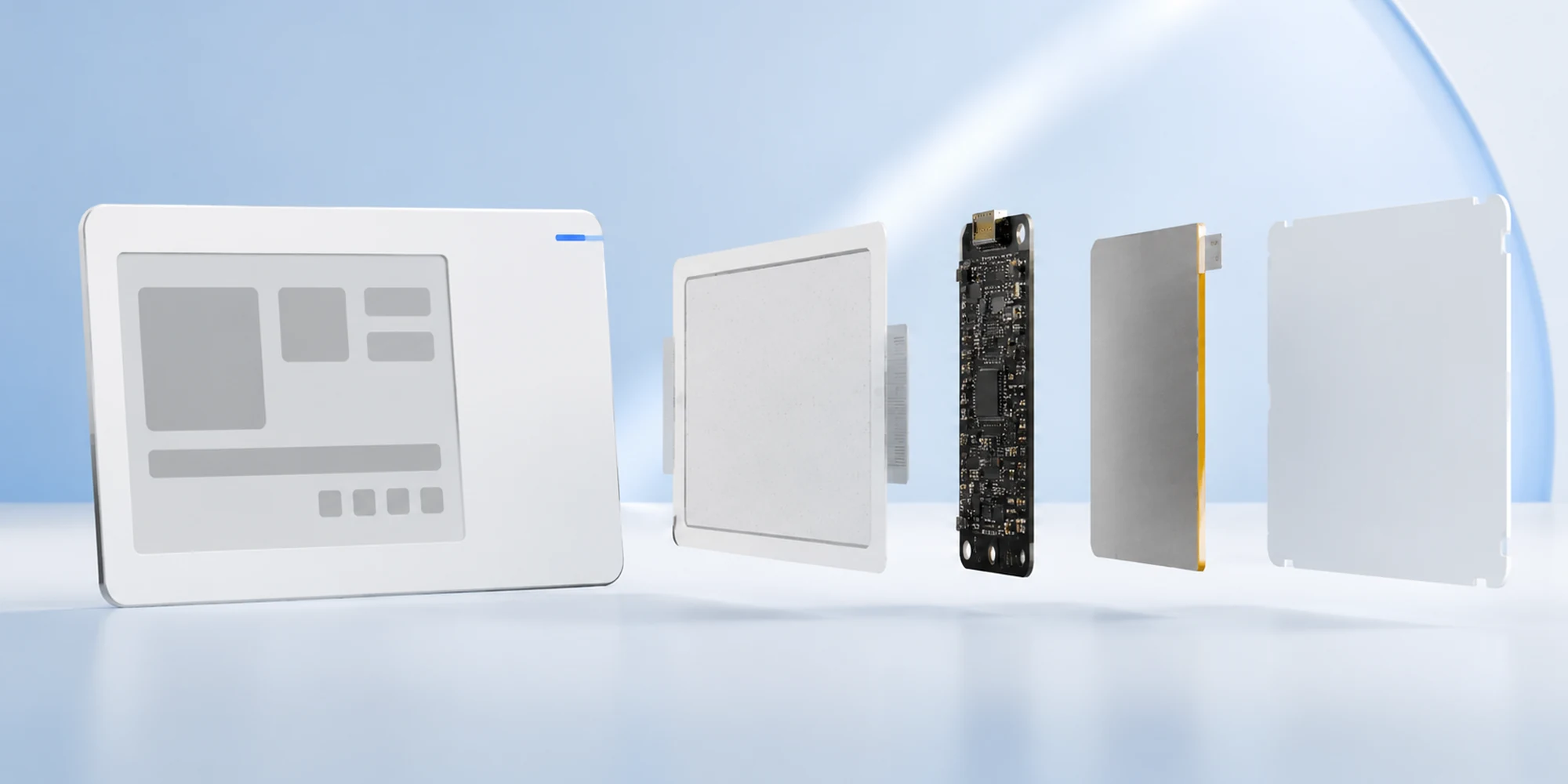
Display concept
E-paper smart cards
Display-card concepts that coordinate the e-paper module, driver electronics, controls, power budget, viewing area, and mechanical protection.
Review display integration
Label concept
Flexible asset labels
Flexible wireless label concepts developed around the mounting surface, bend profile, antenna keep-out, adhesive system, environmental exposure, and service life.
Define a label format
Badge concept
Smart badges and location cards
Wearable or card-format concepts that bring together identification, display, wireless, controls, charging or battery access, and attachment requirements.
Discuss a badge programWhat belongs in a useful product brief
A focused brief helps StellarriseTech evaluate technical fit without inventing assumptions. Early information can be incomplete, but the intended use, target format, critical interfaces, forecast, and decision owners should be visible before engineering scope is fixed.
- Mechanical envelope and surfaces
- Provide target length, width, thickness, permitted local build-up, bend expectations, edge treatment, artwork zones, colors, surface texture, and any area that must remain visually or mechanically clear. For cards, note how the product will be carried and handled. For tags, badges, or labels, include the attachment method, mounting surface, and expected removal or service procedure. A physical reference sample can clarify finish and scale, but its construction and performance should not be assumed unless they are documented and approved as requirements.
- Electronics, power, and interfaces
- Identify the intended radio, antenna constraints, battery or charging concept, processor or module status, firmware ownership, buttons, indicators, acoustics, displays, sensors, and programming interfaces. If a circuit design already exists, supply the current files and revision status. If it does not, describe the required functions, target behavior, and any components that are already mandated. Also identify development tools, security or provisioning dependencies, companion software, account responsibilities, and production data that must be generated, written, verified, or retained.
- Use environment and acceptance
- Describe normal handling, storage, transport, temperature or moisture exposure, bending, drop or wear concerns, expected service life, packaging, and destination markets. Separate mandatory acceptance requirements from preferences. This distinction helps the team propose an appropriate prototype and validation route without implying performance that has not yet been tested on the released design. Include expected sample quantity, launch forecast, target timing, packaging configuration, documentation needs, and the party responsible for market-specific compliance decisions.
Cold-press manufacturing
A controlled route from released design to finished lot
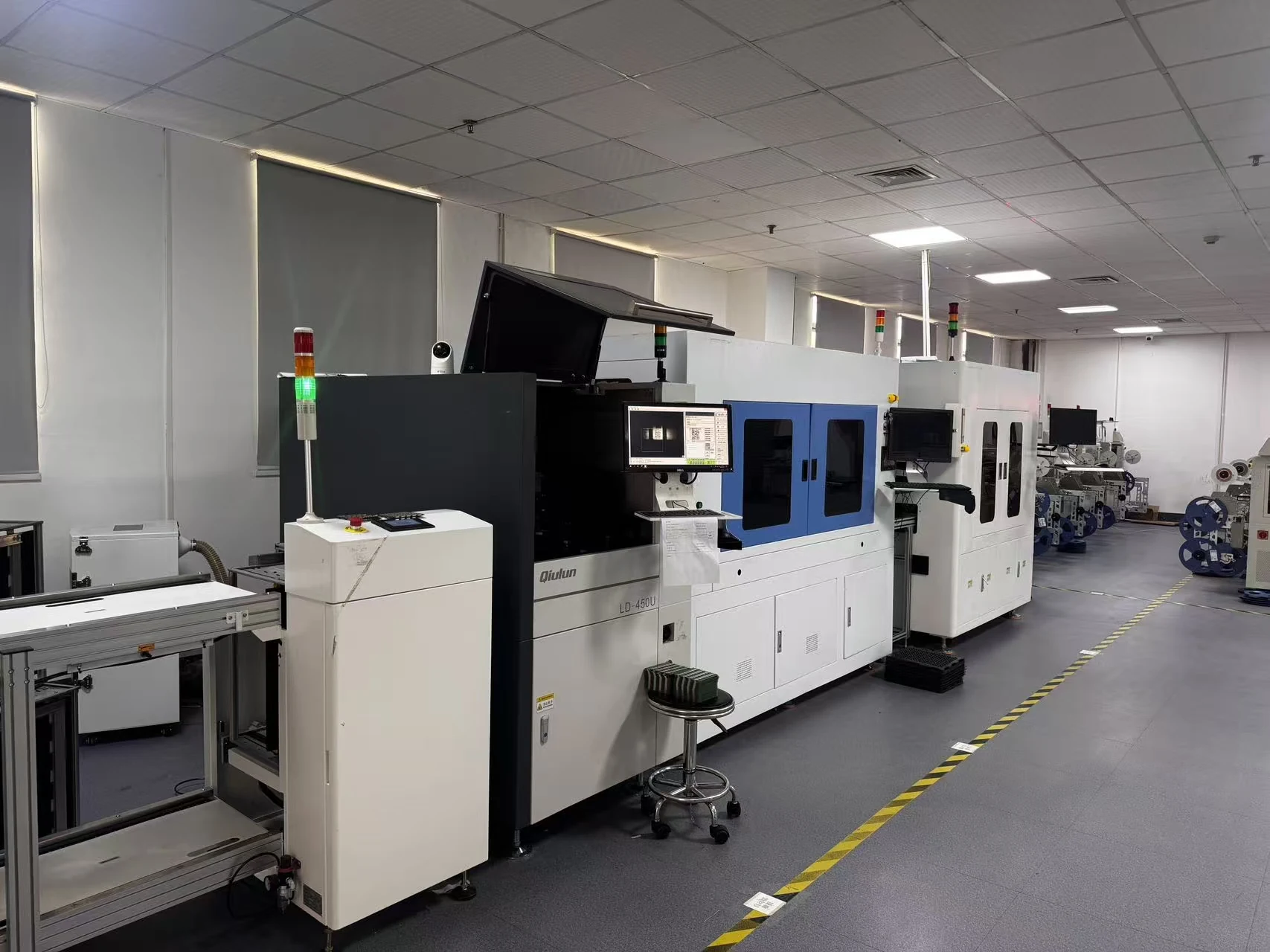
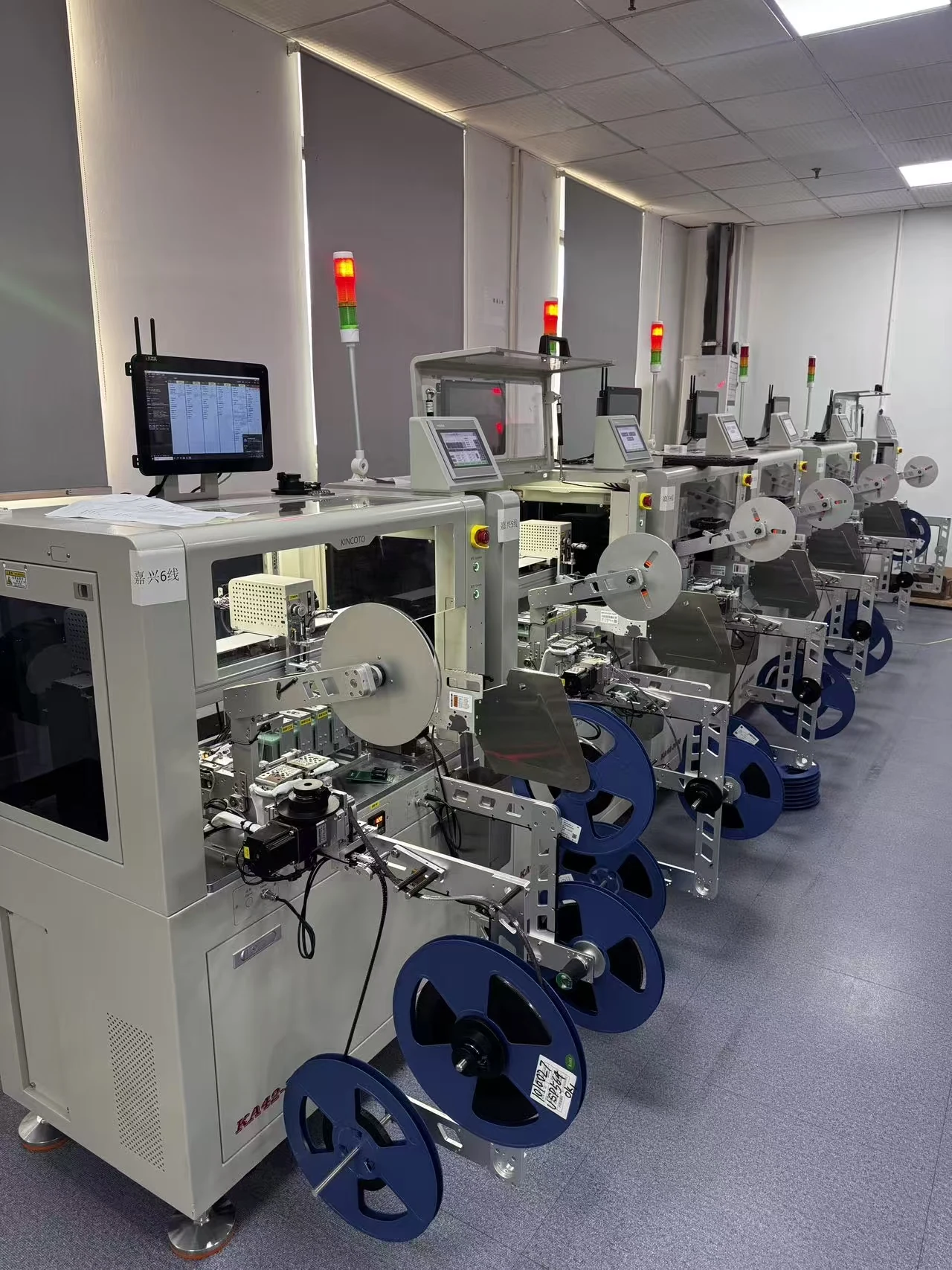
The production route is configured against the approved stack-up, bill of materials, firmware, tooling, and acceptance criteria. Equipment selection, cycle time, and inspection coverage remain project-specific.
-
01
Revision control
Confirm materials, electronics, firmware, drawings, and packing inputs before the build.
-
02
Module integration
Assemble the PCBA, power source, antenna, controls, display, or acoustic parts as applicable.
-
03
Potting control
Apply the approved compound with defined coverage, working time, cure conditions, and keep-out zones.
-
04
Cold pressing
Align the layers and use the validated tooling, pressure, duration, and forming profile.
-
05
Functional checks
Inspect dimensions, appearance, power, wireless behavior, and product-specific functions.
-
06
Lot release
Verify identity, quantity, labels, accessories, protective packing, and agreed release records.
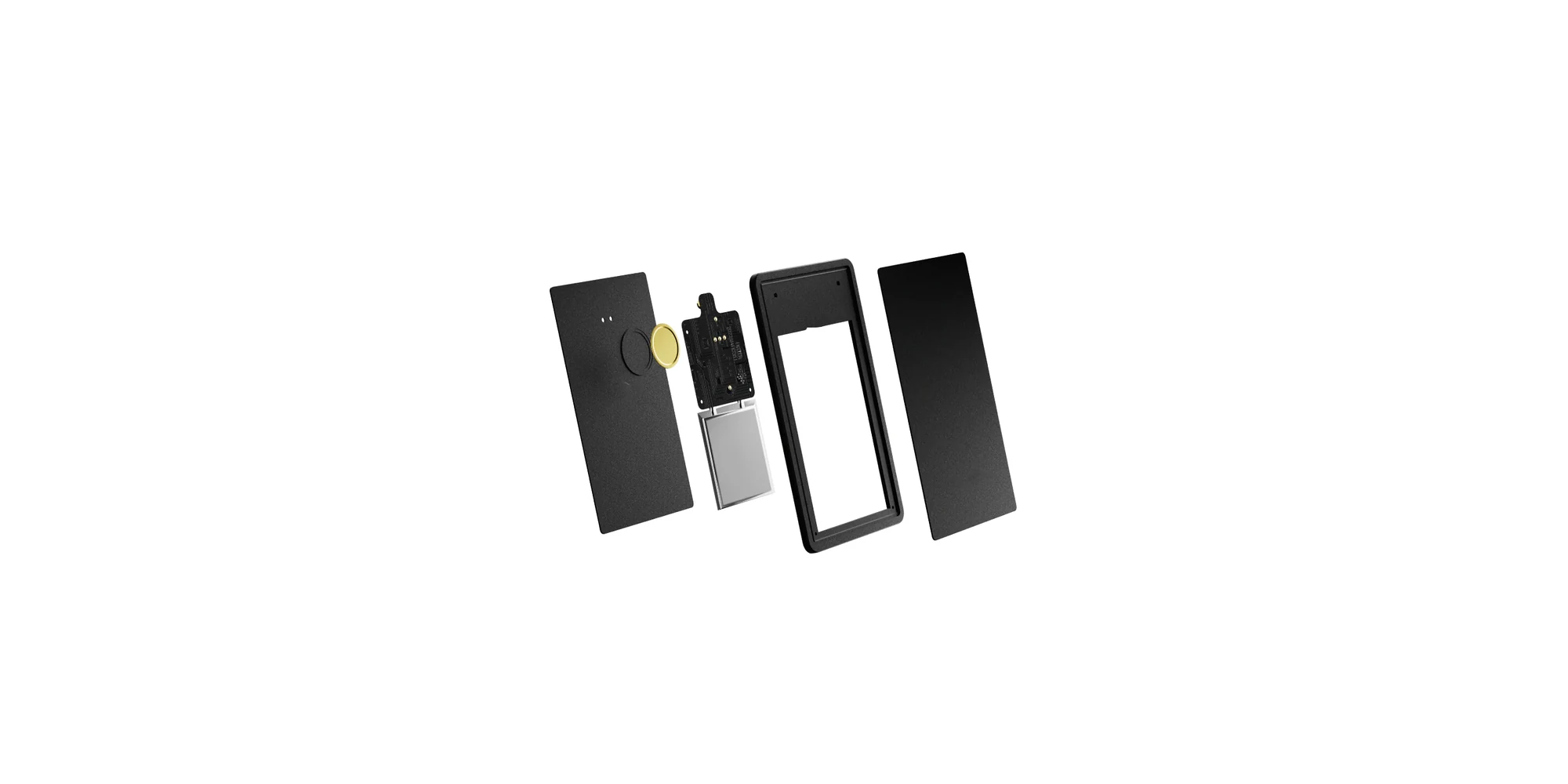
Stack-up and tooling are linked
Outer films, printed layers, adhesive or potting materials, the PCBA, battery, antenna, acoustic parts, and any display or control interface compete for limited space. Their tolerances affect alignment features, cavity design, pressure distribution, local support, and cosmetic results. Tooling therefore follows a released stack-up and cannot be treated as a generic fixture for every thin connected card.
Capacity follows the approved process
Quoted output depends on dispensing and cure time, press cycle, handling, programming, functional test duration, sampling, rework boundaries, and packing. Tracker cards, e-paper products, flexible labels, and smart badges may use different bottlenecks even when their outlines look similar. Capacity and delivery planning should be based on the released configuration and agreed inspection coverage.
Change control protects repeatability
A component substitution, firmware update, artwork revision, material change, or adjusted process setting can affect fit, radio performance, power use, appearance, and test results. The project should define how changes are proposed, reviewed, sampled, approved, and recorded. This creates a clear boundary between an engineering experiment and a configuration that is ready for pilot or production release.
Tracker ecosystems
Plan platform requirements before freezing hardware
Tracking-network projects should align the intended ecosystem, user journey, radio architecture, firmware responsibilities, product identity, and validation route early in development.
Review ecosystem fit| Ecosystem | Define early | Project gate |
|---|---|---|
| Apple Find My | Accessory concept, user interaction, radio and acoustic architecture, power budget, and enclosure constraints. | Applicable program access, requirements, testing, and approvals are confirmed for the specific project. |
| Google Find Hub | Target use case, hardware and firmware responsibilities, identity flow, wireless behavior, and battery strategy. | Current platform requirements and the project validation path are reviewed before design release. |
| Samsung SmartThings Find | Supported product concept, interaction model, radio and firmware scope, mechanical format, and power assumptions. | Program fit, current requirements, and verification responsibilities are agreed for the proposed device. |
Platform names belong to their respective owners. Their inclusion describes project-planning options only and does not claim certification, approval, endorsement, or guaranteed compatibility.
Separate platform work from product work
The physical product still needs a defined antenna environment, battery strategy, audible or visual feedback, controls, enclosure, artwork, firmware interface, programming method, and production test plan. Platform requirements influence these decisions, but they do not replace normal product engineering. A clear responsibility matrix should identify what the customer supplies, what StellarriseTech develops or integrates, and which activities depend on the platform owner or another authorized party.
Confirm current requirements at project start
Program names, access conditions, technical requirements, and approval routes can change. A new RFQ should state the intended ecosystem and current project status without assuming that an earlier device, module, or test result transfers automatically. Hardware release should follow review of the applicable requirements, selected components, firmware path, user experience, labeling, documentation, validation samples, and responsibilities for any external submission.
Application planning
Build the product around the job it must perform
Application requirements determine the physical format, interaction model, wireless environment, energy budget, materials, attachment method, and validation priorities.
Form follows duty cycle, user behavior, and the environment where the device will actually operate.
Consumer item recovery
Wallets, bags, keys, and personal items need a format that balances size, attachment, audible response, power access, and everyday handling. A card may prioritize a thin profile and protected surfaces, while a tag may prioritize attachment strength, serviceability, or sound output. The expected user journey should be documented before the enclosure and control layout are frozen.
Key question: Which ecosystem and user interaction define the hardware?
Smart logistics and assets
Cartons, equipment, and reusable assets introduce mounting, bend, handling, range, service-life, and environmental constraints. Adhesive selection, label position, substrate, antenna clearance, impact from nearby materials, replacement method, and shipping conditions can all change the preferred construction. Sample evaluation should use representative surfaces rather than a clean laboratory panel alone.
Key question: How will the label or tag be attached, used, and replaced?
Display and credential formats
E-paper cards and connected credentials require coordination across viewing area, controls, update behavior, power, surface finish, and mechanical protection. The design brief should identify how often information changes, what remains visible without power, who triggers an update, and how the product communicates status. Display edge protection and local thickness require early mechanical review.
Key question: What information changes, and how does the user trigger it?
Badges and location devices
Wearable formats combine attachment, identification, display or indicators, wireless performance, power access, and repeated daily use. Lanyards, clips, slots, buttons, charging contacts, printed identity areas, and display windows affect both structure and usability. Cleaning, storage, reassignment, and expected wear should be included when samples and inspection criteria are planned.
Key question: Which functions must remain accessible after integration?
Quality and project delivery
Define evidence before production release
A practical quality plan connects revision control, process checks, functional coverage, reliability items, lot identity, and packing requirements to the approved product specification.
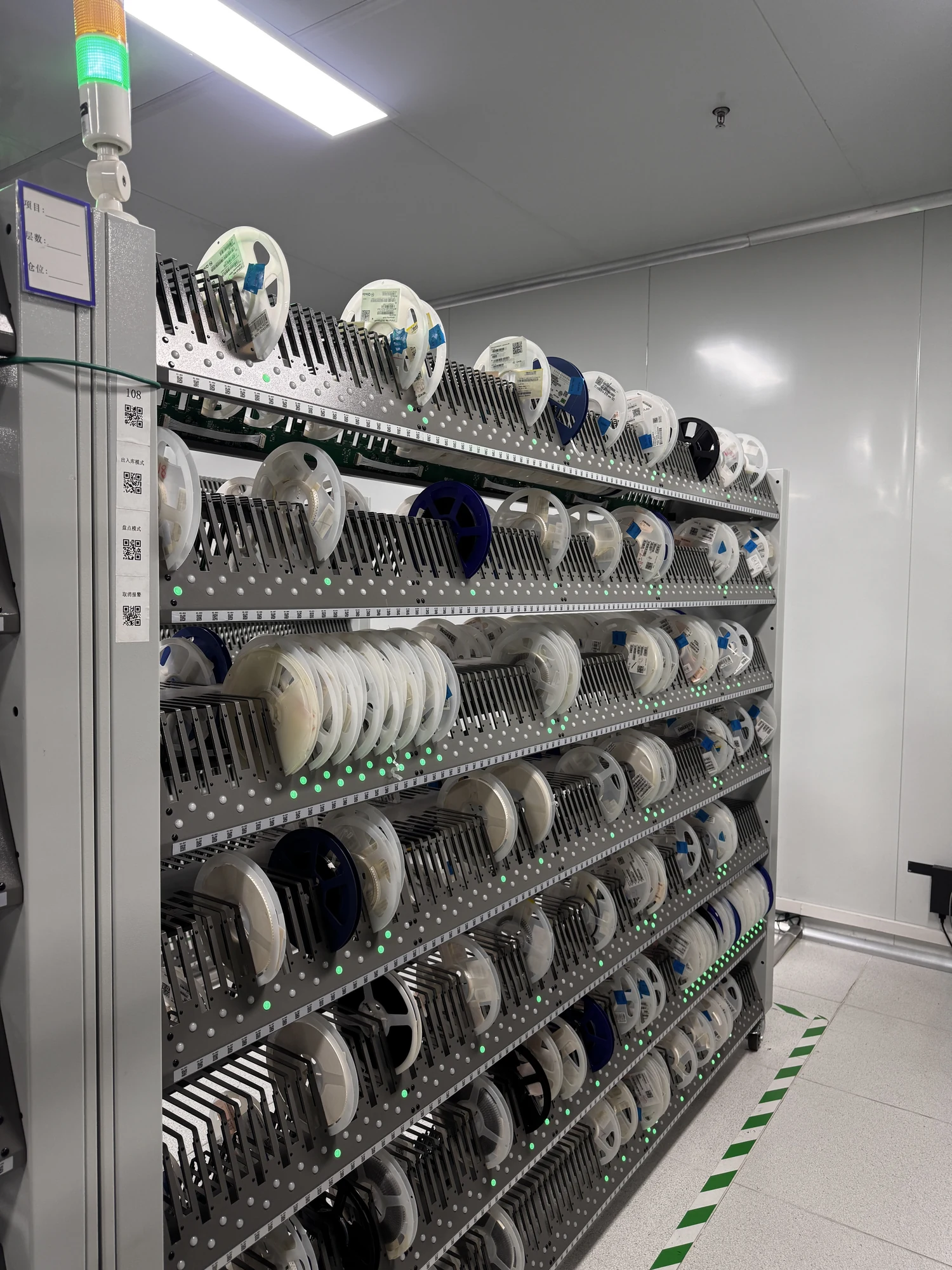
Match materials and components to the released bill of materials and change status. Define identity checks, storage needs, shelf-life considerations, and the records required for the lot.
Check alignment, coverage, cure conditions, dimensions, flatness, and appearance as applicable. Control points and reaction rules should be established before the pilot build.
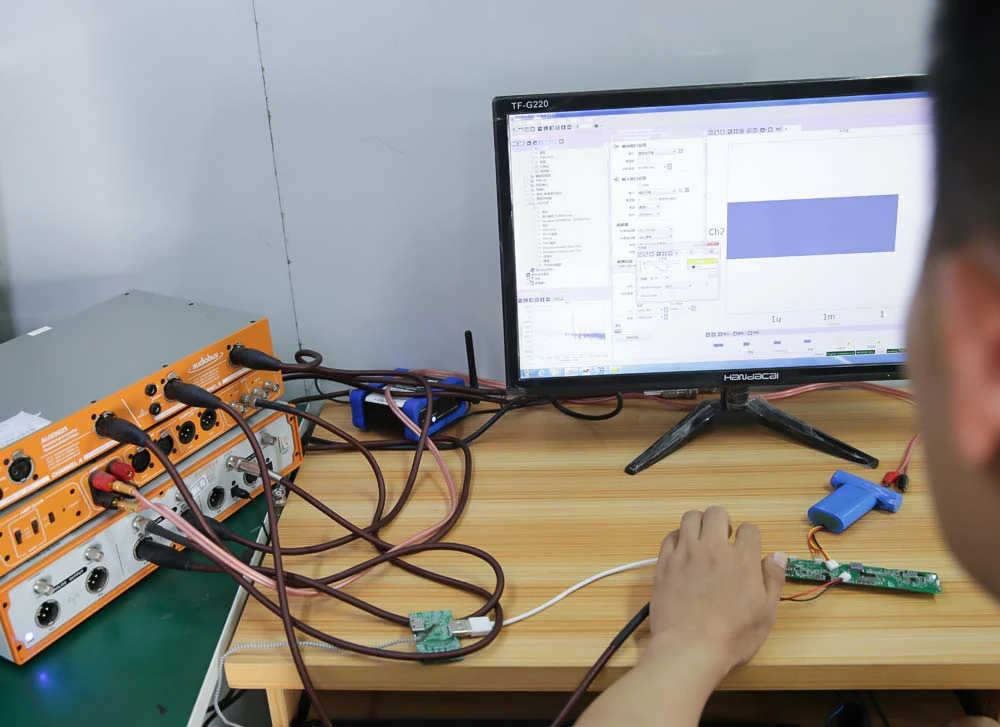
Confirm power, wireless behavior, controls, acoustic response, display, or sensors defined by the project. Fixtures, software, limits, sampling, and data retention remain specific to the released device.
Record lot identity, sampling results, quantity, labels, accessories, and packing configuration. Nonconforming material should have a defined containment, review, disposition, and communication path.
Project path from RFQ to release
The sequence stays consistent while deliverables, test depth, schedule, and release criteria are agreed for each product.
- 01RFQ and feasibility
Review requirements, target format, ecosystem, interfaces, forecast, constraints, available files, and the decisions still open.
- 02Engineering sample
Confirm the stack-up, functions, materials, firmware scope, initial test method, cosmetic direction, and remaining technical risks.
- 03Pilot validation
Exercise the intended production route, inspect the product against agreed criteria, and collect the evidence defined in the validation plan.
- 04Production release
Freeze the approved inputs, process controls, test limits, release records, packing configuration, and method for managing later changes.
Bring your product brief, stack-up, or reference sample
StellarriseTech can review the intended format, electronics, tracker ecosystem, application requirements, manufacturing route, and project validation scope.