
Bluetooth LE Advertising Intervals: The Battery and Discovery Trade-off
蓝牙低功耗广播间隔:电池续航与发现效率之间的平衡
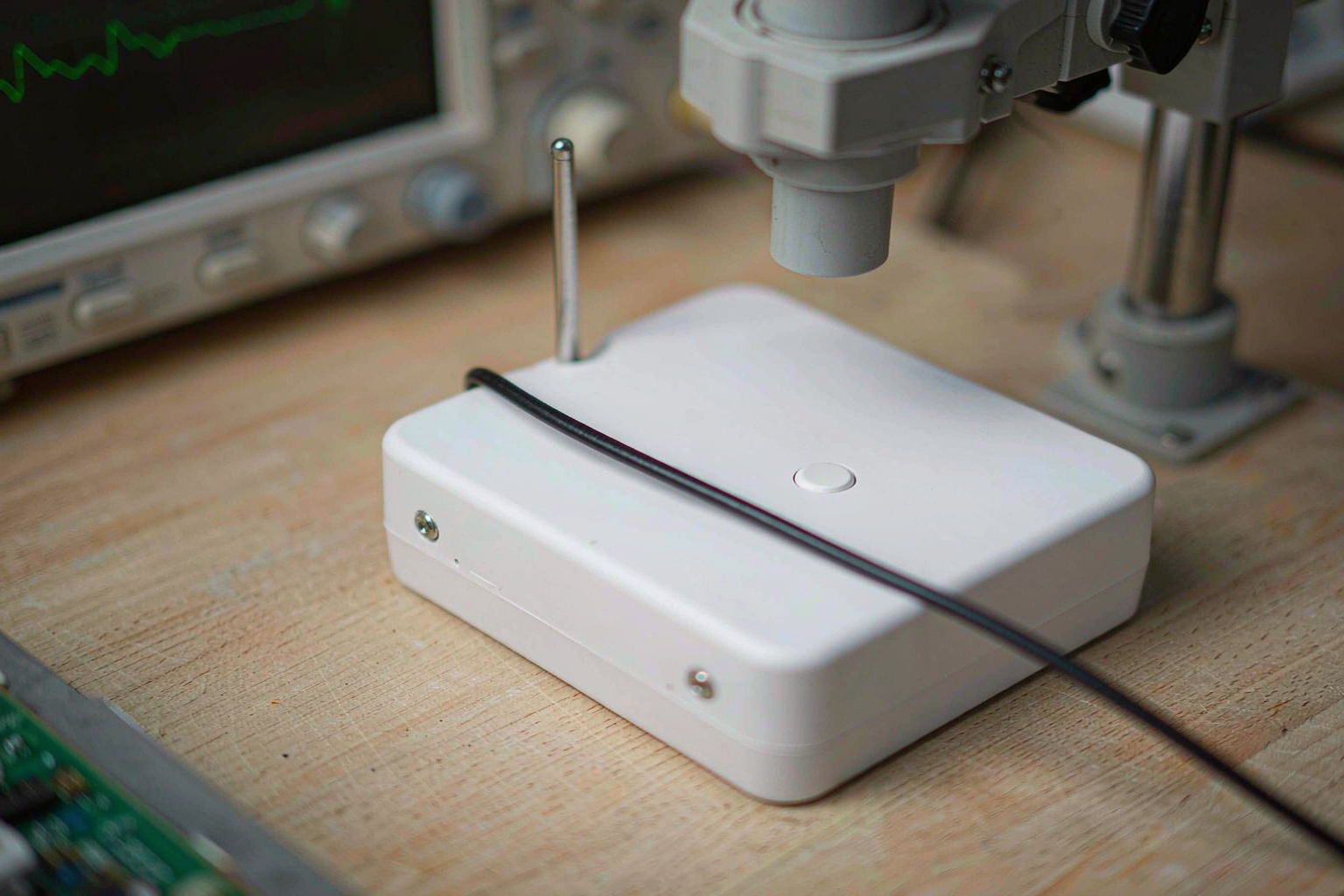
蓝牙低功耗广播与电池规划工程场景示意图;为本文生成的说明性图片,并非 Stellarrisetech 产品实拍或测试结果。
A Bluetooth tracker is discovered through radio behavior that is deliberately repeated over time. The advertising interval is therefore more than a firmware setting: it links discovery opportunity, power consumption, interference tolerance and the user experience of finding an item. A sound OEM or ODM brief makes that trade-off measurable before production.
1. What an advertising interval actually controls
Bluetooth Low Energy advertising sends short packets that nearby scanners can receive without a continuous connection. The Bluetooth Core Specification describes advertising events and the channels used for discovery. A shorter interval creates more opportunities for a nearby phone to hear the tracker, while a longer interval reduces how often the radio wakes. Neither setting is universally better; the correct value depends on the product’s use case, expected carrying environment and platform requirements.
2. Discovery is a probability, not a constant promise
A phone may be scanning at a different time, a tracker may be inside a bag, and the 2.4 GHz environment may contain competing transmissions. The first successful observation can therefore take longer than one advertising interval. Teams should measure discovery across repeated trials and realistic orientations instead of presenting a single best-case distance or time as a general claim. The test record should include interval, transmit power, enclosure state, battery condition and the position of the tracker.
3. Why battery planning must include radio behavior
Every advertising event consumes energy, but the total result also depends on packet length, transmit power, firmware scheduling, temperature and the way the device changes state. A tracker that advertises more frequently may feel more responsive during setup or close-range finding, yet it can reduce the time between battery replacements. A practical design uses different operating states where the platform and user flow allow them, then validates the transition between those states on the assembled product.
4. Periodic advertising is a different design tool
Bluetooth technology also defines periodic advertising, which lets a scanner synchronize to a predictable transmission schedule. This can help a constrained scanner listen more efficiently, but it is not a universal replacement for ordinary discovery advertising. The engineering question is whether the chosen platform flow, scanner behavior and product state can use that synchronization. Requirements should be checked against the actual ecosystem integration rather than assumed from a feature name.
5. Turn the trade-off into a validation plan
For an Apple Find My or Google Find Hub product, platform integration rules remain the boundary condition; the device still needs a stable assembled design, controlled firmware and documented tests. A useful validation matrix compares at least several advertising intervals across discovery time, current consumption, false-miss rate, enclosure orientations and low-battery behavior. Record both the median result and the spread between trials. This gives the product team evidence for a balanced setting instead of an isolated laboratory result.
6. What to freeze before manufacturing
Before tooling and mass production, freeze the intended advertising states, interval limits, transmit-power policy, antenna and enclosure configuration, battery specification, firmware revision and acceptance criteria. Stellarrisetech’s OEM, ODM and embedded routes can align these decisions with structure, firmware, acoustic, battery, range, testing and quality planning. The objective is not to maximize one radio metric; it is to make the final product discoverable, power-aware and repeatable in its intended use.
Share the target ecosystem, form factor, carrying environment, quantity and customization scope with Stellarrisetech for an OEM, ODM or embedded route review.
蓝牙定位器通过随时间重复发送的无线信号被附近设备发现。因此,广播间隔并不只是一个固件参数,它同时连接着发现机会、功耗、抗干扰能力和用户找回物品时的体验。合格的 OEM 或 ODM 需求,应在量产前把这项平衡转化为可测量指标。
1. 广播间隔究竟控制什么
蓝牙低功耗广播以短数据包形式发送信号,附近扫描设备无需保持持续连接即可接收。Bluetooth Core Specification 对广播事件及发现所使用的信道作出了说明。较短的间隔会增加附近手机听到定位器的机会,较长的间隔则会减少无线电唤醒次数。没有一种设置对所有产品都更好,正确数值取决于产品使用场景、预期携带环境以及平台要求。
2. 发现是概率问题,而不是恒定承诺
手机可能在不同时间扫描,定位器可能位于包内,2.4 GHz 环境中也可能存在其他无线传输。因此,第一次成功观察所需时间可能长于一个广播间隔。团队应在真实方向和重复试验中测量发现表现,而不是把一次最佳距离或时间当作普遍结论。测试记录应包含广播间隔、发射功率、外壳状态、电池状态以及定位器摆放位置。
3. 为什么电池规划必须包含无线行为
每次广播事件都会消耗能量,但最终结果还取决于数据包长度、发射功率、固件调度、温度以及设备如何切换状态。广播更频繁的定位器,在配对或近距离查找时可能显得更及时,却也可能缩短两次更换电池之间的时间。实际设计应在平台和用户流程允许的范围内采用不同工作状态,并在整机上验证这些状态之间的切换。
4. 周期性广播是另一种设计工具
蓝牙技术还定义了周期性广播,使扫描设备能够与可预测的发送时间表同步。这有助于受功耗约束的扫描设备更高效地监听,但它并不是普通发现广播的通用替代方案。工程团队需要判断具体平台流程、扫描行为和产品状态是否能够使用这种同步机制。必须结合实际生态系统集成核对要求,不能仅凭功能名称作出假设。
5. 把平衡关系转化为验证计划
对于 Apple Find My 或 Google Find Hub 产品,平台集成规则仍然是边界条件;与此同时,设备仍需具备稳定的整机设计、受控固件和有记录的测试。实用的验证矩阵,至少应比较多个广播间隔下的发现时间、工作电流、漏检率、不同外壳方向和低电量表现。应同时记录多次试验的中位数及结果离散范围,为产品团队提供平衡设置所需的证据,而不是孤立的实验室最佳值。
6. 量产前应冻结哪些内容
在开模和量产前,应冻结预期广播状态、间隔范围、发射功率策略、天线与外壳配置、电池规格、固件版本和验收标准。Stellarrisetech 的 OEM、ODM 和嵌入式路线可以把这些决策与结构、固件、声学、电池、距离、测试和质量规划统一起来。目标不是把某一个无线指标做到最大,而是让最终产品在预期场景下可发现、重视功耗并且能够稳定复现。
可以向 Stellarrisetech 提供目标生态、产品外形、携带环境、数量及定制范围,评估 OEM、ODM 或嵌入式方案。
Public sources / 公开来源
- Bluetooth SIG — Bluetooth Core Specification, architecture and events
- Apple Developer — Find My network
- Google for Developers — Find Hub Network Accessory Specification
- Stellarrisetech — Custom Bluetooth Tracker ODM
本文根据公开技术资料独立组织与改写,旨在提供行业科普和项目规划建议,不构成平台认证承诺或具体型号性能承诺。