
Bluetooth Tracker FAQ · 蓝牙防丢器问答
蓝牙防丢器到底「贵不贵」?一次看懂 Find My / Find Hub 的终身成本与 GPS 定位器的资费陷阱
Bluetooth Trackers’ True Cost: Find My / Find Hub’s Lifetime Cost vs. GPS Tracker Subscription Traps
导语 / Introduction
买一枚 AirTag 或 Pixel Tag 只要 $29,很多人以为「防丢」就是这么便宜。但如果你把它和车载 GPS 定位器、车队管理设备放在一起比较,会发现一个反直觉的事实:防丢器的「终身成本」几乎为零(一颗纽扣电池而已),而一台 GPS 蜂窝定位器每个月的订阅费,可能一年就超过防丢器本身的价格。本期 FAQ 从「钱」的角度出发,拆解 Apple Find My 与 Google Find Hub 的免费网络逻辑、真正的隐藏成本、以及什么场景下「贵」的 GPS 才物有所值。
For just $29 you can buy an AirTag or a Pixel Tag, which makes many people assume “finding lost stuff” is that cheap. But put it next to a car GPS tracker or a fleet-management device and a counterintuitive fact emerges: a Bluetooth tracker’s lifetime cost is nearly zero (a coin-cell battery, nothing more), while a cellular GPS tracker’s monthly subscription can outstrip the tag’s price within a single year. This FAQ looks at tracking through the lens of money — breaking down why Apple’s Find My and Google’s Find Hub networks are free, where the real hidden costs live, and when a “pricey” GPS tracker is actually worth it.
Q1:为什么 AirTag / Pixel Tag 没有月费,而 GPS 定位器几乎都要订阅费? / Why do AirTag / Pixel Tag have no monthly fee while GPS trackers almost always require a subscription?
A:因为两者「定位」的方式完全不同。AirTag 和 Pixel Tag 本身没有 GPS 芯片、也没有蜂窝网络模块(没有 SIM 卡)——它们只是一块会对外广播加密蓝牙信号(BLE)的小信标。真正「报位置」的工作,是由周围路过的 iPhone(Find My 网络,超 10 亿台设备)或 Android 手机(Find Hub 网络,同样超 10 亿台)完成的:手机侦测到信标 → 用手机自己的 GPS 算出坐标 → 匿名加密回传云端。既然借用了别人的手机和网络,厂商自然不收你的月费。
而一台 GPS 蜂窝定位器,本质上是一台「迷你手机」:它自带卫星接收器(GPS)算出自己的位置,再通过蜂窝网络(4G LTE / LTE-M)把坐标发到你手机上。这条蜂窝数据通道是有运营商的成本在的,所以厂商只能按月收费(普遍 $5–$20/月,常见 $10–$15/月),有些还要签多年合约。一句话:防丢器「蹭」公共手机网络,GPS 定位器「自建」一条独立通信链路,后者当然要收钱。
Because they locate things in fundamentally different ways. An AirTag or Pixel Tag has no GPS chip and no cellular modem (no SIM card) — it’s just a tiny beacon that broadcasts an encrypted Bluetooth Low Energy (BLE) signal. The “reporting” is done by nearby iPhones (Find My network, 1B+ devices) or Android phones (Find Hub network, also 1B+): the phone detects the beacon → uses its own GPS to compute coordinates → relays them anonymously and encrypted to the cloud. Since it borrows other people’s phones and networks, there’s no monthly fee for you.
A cellular GPS tracker, by contrast, is essentially a “mini phone”: it has its own satellite receiver (GPS) to fix its position, then sends coordinates to you over a cellular network (4G LTE / LTE-M). That cellular data channel carries real carrier cost, so vendors charge monthly (typically $5–$20/month, commonly $10–$15/month), sometimes with multi-year contracts. In one line: a Bluetooth tag piggybacks on the public phone network; a GPS tracker builds its own independent link — and that’s why the latter charges you.
Q2:一枚防丢器的「终身成本」到底是多少?三年算下来是多少钱? / What is a tracker’s true “lifetime cost”, and how much over three years?
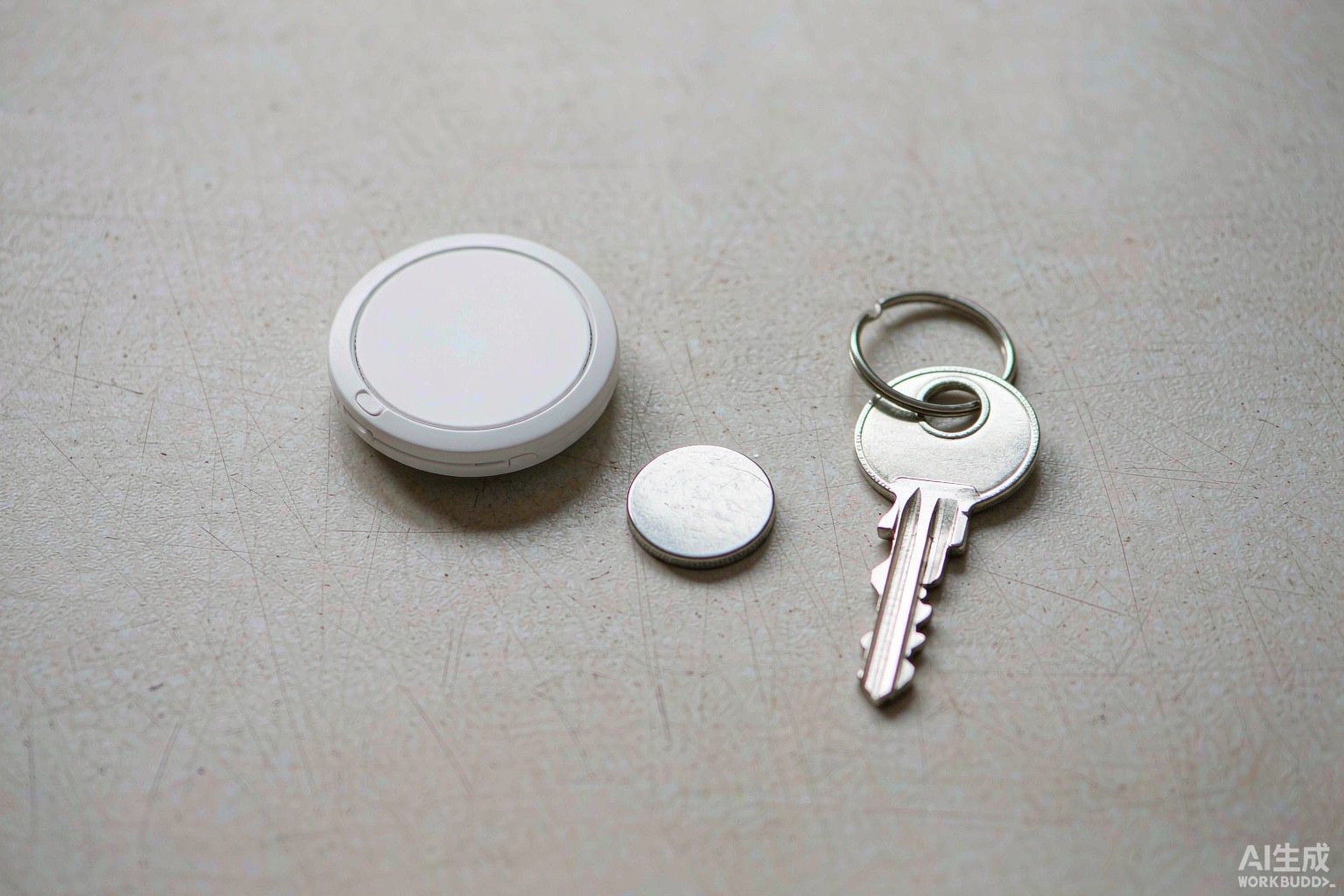
A:答案可能低得让你意外。以 AirTag(第二代,2026 年 1 月发布)为例:单枚 $29(四件装 $99,折算 $24.75/枚),苹果官方坚持「一次性买断、无任何订阅」。唯一的后续开销是一颗 CR2032 纽扣电池,官方续航约一年,市价大约 $1–$3/颗。也就是说:
- 三年总持有成本 ≈ $29(硬件)+ $3–$9(电池)= 约 $32–$38;
- 谷歌 Pixel Tag 完全对齐:$29 单枚 / $99 四件装,同样 CR2032、无订阅,2026 年 11 月 11 日上市。
反观一台 GPS 蜂窝定位器,硬件 $20–$150 + 订阅 $10–$15/月,三年成本轻松超过 $400–$600,是防丢器的 10 倍以上。多家 2026 年评测(Airpinger、Pet GPS Tracker Hub 等)不约而同得出结论:对 90% 的日常场景(钥匙、钱包、背包、行李),蓝牙防丢器的「终身成本」几乎是所有追踪方案里最低的;GPS 定位器的订阅费往往一年内就超过标签本身的价格。(注:以上为各厂商公开报价与评测整理,实际以当前零售价为准。)
The answer is surprisingly low. Take the AirTag (2nd generation, launched January 2026): $29 for one ($99 for a four-pack, or $24.75 each), and Apple keeps it a pure one-time purchase with no subscription of any kind. The only ongoing cost is a CR2032 coin cell, rated for about a year and priced roughly $1–$3:
- Three-year total cost of ownership ≈ $29 (hardware) + $3–$9 (batteries) = about $32–$38;
- Google’s Pixel Tag matches it exactly: $29 single / $99 four-pack, same CR2032, no subscription, shipping November 11, 2026.
A cellular GPS tracker, meanwhile, runs $20–$150 in hardware plus $10–$15/month, so its three-year cost easily exceeds $400–$600 — more than 10× a Bluetooth tag. Multiple 2026 reviews (Airpinger, Pet GPS Tracker Hub, etc.) independently reach the same conclusion: for about 90% of everyday needs (keys, wallets, backpacks, luggage), a Bluetooth tag has the lowest lifetime cost of any tracking option; a GPS tracker’s subscription typically outruns the tag’s price within the first year. (Note: figures are compiled from vendor list prices and reviews; check current retail pricing.)
Q3:Find My 和 Find Hub 都「免费」,但它们的免费逻辑其实不一样,差别在哪? / Both Find My and Find Hub are “free”, yet their free logic differs — what’s the difference?
A:两家虽然都免费,但底层的中继机制不同,直接影响了你在「偏远地区」的找物体验。
- Apple Find My(单机中继):默认只要一台路过的 iPhone/iPad 侦测到你的 AirTag 广播,就会立即回传位置。由于 iOS 设备多年来默认参与该网络,在城市、机场、停车场等人口密集处,AirTag 每隔几分钟就能刷新一次位置。
- Google Find Hub(聚合中继):安卓默认采用「仅在高人流区域」的隐私聚合规则——需要多台独立安卓设备同时侦测到同一信标,才会把位置显示给机主。这能避免单一安卓用户的位置被关联暴露,但代价是:在安静的居民区、郊野公园、非高峰时段,刷新会明显变慢。用户可手动切到「所有区域」模式(设置 → Google → 全部服务 → 查找我的设备 → 离线设备查找)。
这是两家「免费」背后的关键差异:苹果牺牲了一点匿名粒度换来更高刷新频率;谷歌用「聚合」换隐私,却牺牲了低密度场景的响应速度。这也是为什么独立评测(如 GadgetsFocus 2026 对比)普遍认为:在人口稠密环境二者接近,但到了偏远/低密度地区,Find My 的更新速度更稳定。
Both networks are free, but their underlying relay mechanisms differ — and that directly shapes your “finding” experience in low-density areas.
- Apple Find My (single-device relay): by default, just one passing iPhone/iPad needs to detect your AirTag’s broadcast to immediately relay its location. Because iOS devices have participated in this network by default for years, an AirTag in a city, airport, or parking garage updates every few minutes.
- Google Find Hub (aggregated relay): Android defaults to a privacy rule called “With network in high-traffic areas only,” which requires multiple independent Android devices to detect the same beacon before the owner sees the location. This prevents a single Android user’s location from being tied to a specific spot, but the trade-off is noticeably slower refreshes on quiet residential streets, in rural parks, or during off-peak hours. Users can switch to “With network in all areas” (Settings → Google → All services → Find My Device → Find your offline devices).
This is the key difference behind two “free” networks: Apple accepts slightly coarser anonymity in exchange for higher refresh frequency; Google buys privacy via aggregation at the cost of responsiveness in sparse areas. That’s why independent comparisons (e.g., GadgetsFocus 2026) generally find the two close in dense environments, but Find My updates more consistently in remote or low-density locations.
Q4:除了电池,防丢器还有哪些「隐藏成本」容易被忽略? / Besides the battery, what “hidden costs” of trackers are easy to overlook?
A:有,而且往往是「配件」和「订阅」两个坑:
- 配件(挂钩/保护套)是真正的隐形开销。AirTag 和 Pixel Tag 本体都没有预留挂孔——AirTag 是一枚光滑硬币状圆盘,Pixel Tag 是长条鹅卵石状。想挂到钥匙/背包上,必须另买配件。苹果官方精织斜纹钥匙扣(FineWoven Key Ring)售价约 $29(中国区 RMB 299),相当于「再买一枚标签」;第三方方案可低至 $5–$10。相比之下,三星 SmartTag 系列自带金属挂环、开箱即用,是三者中设计最省心的。
- 可选订阅的「免费陷阱」。主流标签的核心查找功能免费,但部分品牌(如 Tile)会提供付费订阅,解锁「报销保障」「历史轨迹」等增值项。核心防丢不需要订阅——付款前先看清免费档已含什么,别为用不上的功能掏钱。
Yes — and the two biggest traps are accessories and optional subscriptions:
- Accessories (holders/cases) are the real hidden cost. Neither the AirTag nor the Pixel Tag has a built-in attachment hole — the AirTag is a smooth coin-shaped disc, the Pixel Tag a slim pebble. To hang one on keys or a bag you must buy a separate accessory. Apple’s first-party FineWoven Key Ring costs about $29 (RMB 299 in mainland China) — effectively “buying another tag” — while third-party options drop to $5–$10. By contrast, Samsung’s SmartTag lineup ships with a built-in metal loop, ready out of the box and the most hassle-free of the three.
- The “free-trap” of optional subscriptions. Core finding is free on mainstream tags, but some brands (like Tile) offer paid plans unlocking perks such as reimbursement coverage or extended history. You don’t need a subscription for basic finding — check what the free tier already includes before paying for features you won’t use.
Q5:什么时候「贵的」GPS 蜂窝定位器反而才是对的、甚至是唯一的选择? / When is the “expensive” GPS cellular tracker actually the right — or even the only — choice?
A:记住一个判断准则:防丢器解决的是「东西被我落在哪里了」,GPS 定位器解决的是「那个会自己移动/值钱的东西现在在哪、去过哪」。
GPS 定位器「贵」得有道理的场景:
- 实时连续追踪:GPS 定位器能按 15–60 秒/次的频率实时上报,还能记录历史轨迹、电子围栏(geofence)、移动/拖车告警。防丢器只有在「有手机路过」时才更新位置,没有「轨迹回放」能力。
- 远离人群的资产:停在空旷工地/郊外仓库的拖车、游艇、工程设备,周围可能几小时甚至几天没有一台联网手机路过——防丢器会「失联」,只有自带蜂窝的 GPS 才会上报。
- 车队/商用管理:2–5 台以上车辆、需要「哪台车在哪个工地」「回放昨天路线」的调度需求,蓝牙标签完全无法胜任,这是 GPS 车队管理的领域。
- 隐蔽防盗(需注意法律边界):AirTag 等防丢器会主动向周围人「反跟踪告警」,等于告诉窃贼「这里有标签」;蜂窝 GPS 不广播蓝牙身份,更隐蔽。但需强调:追踪自己的车/财产一般合法,未经同意追踪他人车辆或人员,在多数地区涉嫌侵犯隐私甚至违法(美国各州规定不一),务必先了解当地法律。
Keep one rule in mind: a Bluetooth tag answers “where did I misplace my stuff?”, while a GPS tracker answers “where is that self-moving / high-value thing now, and where has it been?”.
Scenarios where a GPS tracker earns its higher price:
- Real-time continuous tracking: a GPS tracker reports every 15–60 seconds and can keep trip history, geofences, and movement/tow alerts. A tag only updates when a phone passes by and has no trip replay.
- Assets far from people: a trailer, boat, or equipment sitting in an empty lot or remote yard may have no networked phone pass by for hours or days — a tag goes “offline,” and only a cellular GPS unit still reports.
- Fleet / commercial management: scheduling needs like “which truck is at which site” or “replay yesterday’s route” across 2–5+ vehicles are beyond any Bluetooth tag; this is GPS fleet territory.
- Covert anti-theft (mind the law): tags like AirTag proactively send anti-stalking alerts to nearby people — effectively telling a thief “there’s a tag here” — whereas a cellular GPS doesn’t broadcast a Bluetooth identity and is more discreet. But note: tracking your own car or property is generally legal, while tracking another person’s vehicle or person without consent is illegal in many places (U.S. state laws vary); check local law first.
Q6:想让一枚标签「两边都能用」,现在有哪些跨平台 / 双网络的选择? / Want one tag that works on both networks? What cross-platform / dual-network options exist?
A:生态壁垒正被「双网络」产品打破。除 Apple(Find My)、Google(Find Hub)、三星(Galaxy Find)三大封闭网络外,一批第三方标签开始同时支持 Apple Find My 与 Google Find Hub 两套网络,并主打 USB-C 充电(免换电池)与更低价格:
- Chipolo(ONE Point / Loop)、Pebblebee(Clip 5):早期即支持双网络,是跨平台口碑主力;
- Ugreen Finder Duo:主打性价比,四件装约 $28–$34,双网络 + USB-C 充电;
- Moto Tag 2:支持 Find Hub + UWB + Bluetooth Channel Sounding,是安卓阵营综合推荐;
- 谷歌 Pixel Tag(11 月 11 日上市)则是谷歌第一款第一方防丢器,补齐了「第一方」空白。
选购建议:先从「配对」而不是「品牌」出发,确认三点——①标签是否支持 UWB、你的手机是否也支持(精确查找需两者都有);②标签是否在 Google Find Hub 设备列表中(决定离线查找与共享);③你的手机是否 Android 9+(共享)或 Android 6+(反跟踪告警)。(注:具体型号兼容性变化较快,下单前以厂商页面与 Google 官方文档为准。)
Ecosystem walls are being broken by “dual-network” products. Beyond the three closed networks — Apple (Find My), Google (Find Hub), and Samsung (Galaxy Find) — a wave of third-party tags now support both Apple Find My and Google Find Hub, often with USB-C charging (no battery swaps) and lower prices:
- Chipolo (ONE Point / Loop) and Pebblebee (Clip 5): early dual-network supporters and the cross-platform mainstays;
- Ugreen Finder Duo: the value pick, a four-pack around $28–$34, dual-network plus USB-C charging;
- Moto Tag 2: supports Find Hub + UWB + Bluetooth Channel Sounding — the top all-round recommendation for Android;
- Google Pixel Tag (shipping Nov 11) is Google’s first first-party tracker, filling the “first-party” gap.
Buying advice: start from pairing, not brand, and confirm three things — ① whether the tag supports UWB and whether your phone does too (precision finding needs both); ② whether the tag is on Google’s Find Hub device list (this determines offline finding and sharing); ③ whether your phone runs Android 9+ (for sharing) or Android 6+ (for unknown-tracker alerts). (Note: compatibility changes quickly; verify against the manufacturer’s page and Google’s official docs before buying.)
Q7:企业 / 车队场景,能不能用防丢器「省下」GPS 订阅费?划算吗? / In enterprise / fleet scenarios, can trackers “save” the GPS subscription? Is it worth it?
A:分两种情况看,结论截然相反:
- 「偶尔看一次」的轻资产:比如几十台不需要实时调度、只是「防丢/盘库」的工具、器材箱、托盘,用 AirTag + 第三方商业看板(如 Airpinpoint,约 $11.99/标签/月,提供地图、电子围栏告警、位置历史)可以在无 SIM、无蜂窝合约的前提下获得「准车队级」管理。10 枚 AirTag 硬件 $290、$0 月费;10 台蜂窝 GPS 则需 $100–$1500 硬件 + 每月 $100–$450 订阅。这类场景下防丢器方案确实能大幅省钱。
- 「需要实时调度/轨迹/告警」的真车队:蓝牙标签无法提供「哪台车在哪个工地」「回放昨日路线」「周日拖车离场告警」,这些是硬需求,省下的订阅费会以「看不见车辆动态」的形式加倍还回来。此时应把 GPS 定位器当作成本,而非可省的订阅。
一句话总结:防丢器省的是「通信费」,GPS 定位器买的是「确定性」。先想清楚你要的是「偶尔知道在哪」还是「随时知道动态」,再决定省不省这笔订阅费。
The answer splits into two very different cases:
- Light assets you only check occasionally: for dozens of tools, equipment cases, or pallets that don’t need real-time dispatch — just “don’t lose them / stock-take” — pairing AirTags with a third-party business dashboard (e.g., Airpinpoint, ~$11.99/tag/month for maps, geofence alerts, and location history) delivers near-fleet-level management with no SIM and no cellular contract. Ten AirTags cost $290 upfront and $0/month; ten cellular GPS trackers run $100–$1,500 in hardware plus $100–$450 every month. Here the tag approach genuinely saves a lot.
- Real fleets needing dispatch/history/alerts: Bluetooth tags can’t tell you “which truck is at which site,” “replay yesterday’s route,” or “alert when the trailer leaves Sunday” — those are hard requirements, and the subscription you “saved” comes back multiplied as invisible vehicle activity. Treat GPS as a cost of doing business here, not a skippable fee.
In one line: a tag saves you the communications bill; a GPS tracker buys you certainty. Decide whether you need “know where it is occasionally” or “know what it’s doing anytime” before cutting that subscription.
要点总结 / Key Takeaways
- 免费 vs 订阅的本质:防丢器(AirTag / Pixel Tag)无 GPS、无 SIM,靠「蹭」超 10 亿台 iPhone / Android 的众包网络定位,故无月费;GPS 蜂窝定位器自带卫星 + 蜂窝链路,运营商成本决定了它必须按月收费。
The essence of free vs subscription: tags have no GPS or SIM and piggyback on 1B+ iPhones/Androids, so there’s no fee; a cellular GPS tracker has its own satellite + cellular link, so carrier cost forces a monthly plan. - 终身成本悬殊:一枚 AirTag 三年总成本约 $32–$38(硬件 $29 + 电池);GPS 定位器三年可超 $400–$600,10 倍以上差距。
Lifetime cost gap: a tag’s three-year cost is ~$32–$38 ($29 hardware + batteries); a GPS tracker can exceed $400–$600, a 10× gap. - 免费网络的差异:Find My 单机中继(刷新快、偏远区更稳),Find Hub 默认「高人流聚合」(更隐私、低密度区偏慢,可手动切换)。
Free networks differ: Find My uses single-device relay (faster, steadier in remote areas); Find Hub defaults to high-traffic aggregation (more private, slower in sparse areas, user-switchable). - 隐藏成本在配件与订阅:AirTag/Pixel Tag 无挂孔,原厂配件约 $29(几乎再买一枚标签);核心查找免费,别为 Tile 式可选订阅的增值项付费。
Hidden costs are accessories and subscriptions: AirTag/Pixel Tag lack attachment holes and first-party holders run ~$29 (nearly another tag); core finding is free — don’t pay for Tile-style optional add-ons. - GPS 的「贵」有道理:实时追踪、远离人群的资产、车队调度、隐蔽防盗(注意法律)才是 GPS 定位器的主场。
GPS’s price is justified: real-time tracking, assets far from people, fleet dispatch, and covert anti-theft (mind the law) are where GPS trackers win. - 跨平台选择增多:Chipolo / Pebblebee / Ugreen Finder Duo 等双网络标签(同时支持 Find My + Find Hub),是打破生态壁垒的实用选项。
Cross-platform options are growing: dual-network tags like Chipolo / Pebblebee / Ugreen Finder Duo (supporting both Find My and Find Hub) break ecosystem walls.
本文信息基于 2026 年 10 月 13 日的公开检索结果整理,涉及价格、订阅费率等数据来自各厂商公开报价与独立评测,可能随地区与时间变化,实际以购买时的官方页面为准。
Information compiled from public sources retrieved on October 13, 2026; prices and subscription rates come from vendor list prices and independent reviews and may vary by region and over time — always confirm against official pages at time of purchase.